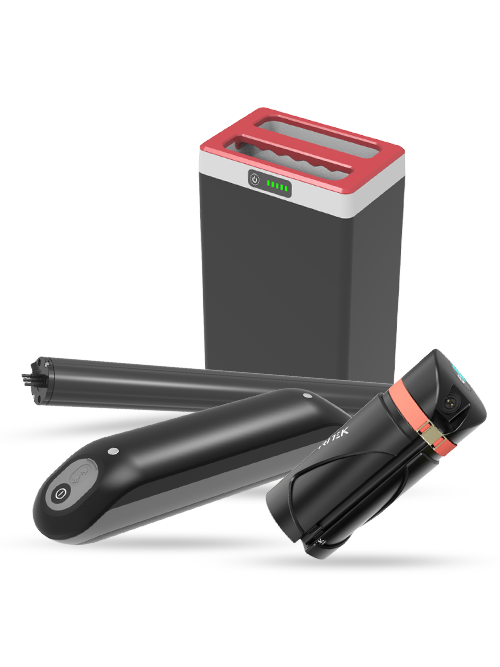
FMEA training for lithium battery manufacturing is essential to ensure product reliability, safety, and process stability. As battery systems become more complex, companies must adopt structured risk management methods across both design and production stages.
Tritek strengthens lithium battery manufacturing quality through DFMEA and PFMEA training with SGS, enabling early risk identification, improved process control, and more reliable battery solutions.
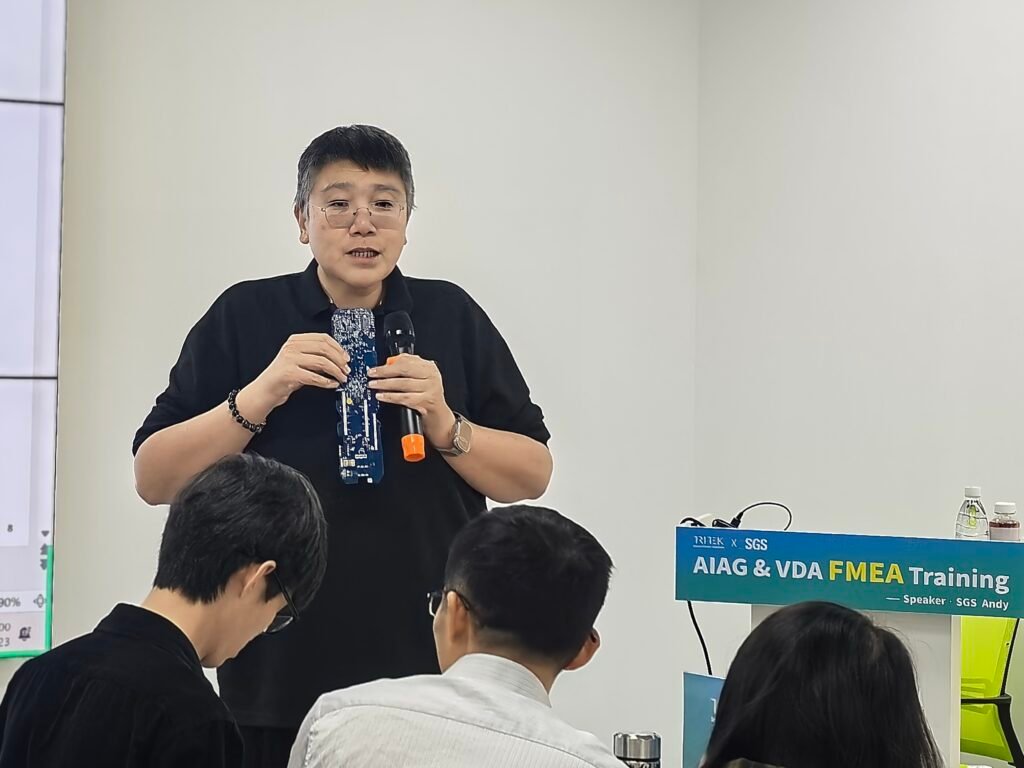
To embed preventive thinking into daily operations, Tritek conducted a full-cycle FMEA training program in March, starting with DFMEA and followed by PFMEA, in collaboration with SGS.
Why FMEA Training Matters in Lithium Battery Manufacturing
In lithium battery manufacturing, risks can arise at any stage, from system design to production execution. Without a structured approach, these risks often surface too late, leading to quality issues, increased costs, and potential safety concerns.
FMEA (Failure Mode and Effects Analysis) provides a systematic framework to identify potential failures, evaluate their impact, and define preventive actions early. For battery manufacturers, this is particularly critical due to the complexity of battery systems and the high safety requirements involved.
By implementing FMEA training, companies can move from reactive problem-solving to proactive risk prevention.
From DFMEA to PFMEA: Extending Risk Control from Design to Production
At Tritek, the FMEA journey began with a 2-day DFMEA (Design Failure Mode and Effects Analysis) training on March 15–16 with SGS, focusing on identifying risks at the product design stage, from system architecture to component functionality.
Building on this foundation, Tritek continued with a 2-day PFMEA (Process Failure Mode and Effects Analysis) training on March 23–24 with SGS, extending risk management into the manufacturing environment.
While DFMEA ensures that products are designed correctly, PFMEA ensures that they are manufactured consistently and reliably. Together, they form a complete risk control loop from design to production.
From March 15 to 24, Tritek completed a full-cycle FMEA capability upgrade, from design to process, from theory to practice.
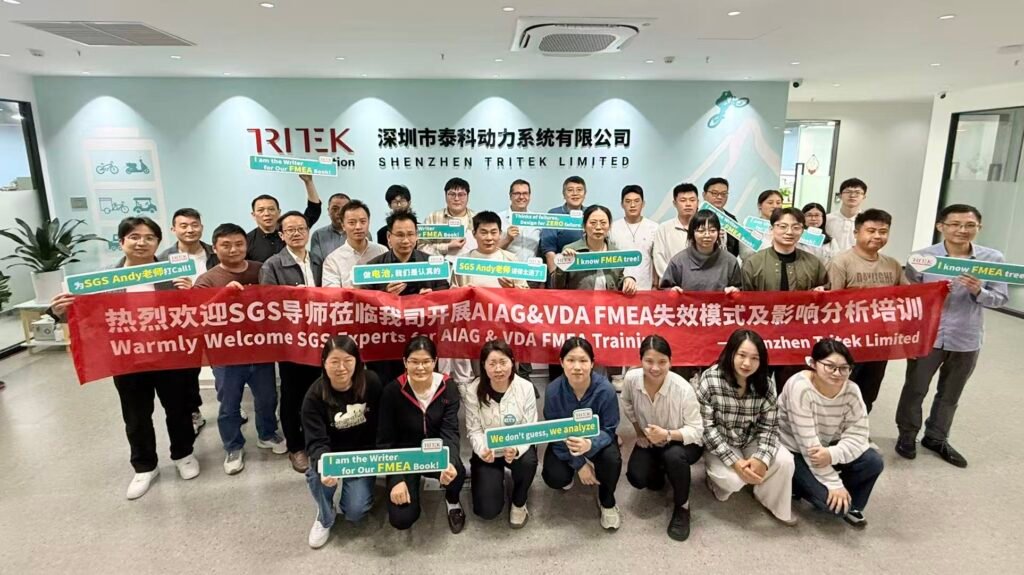
DFMEA in Practice: Identifying Risks at the Design Stage
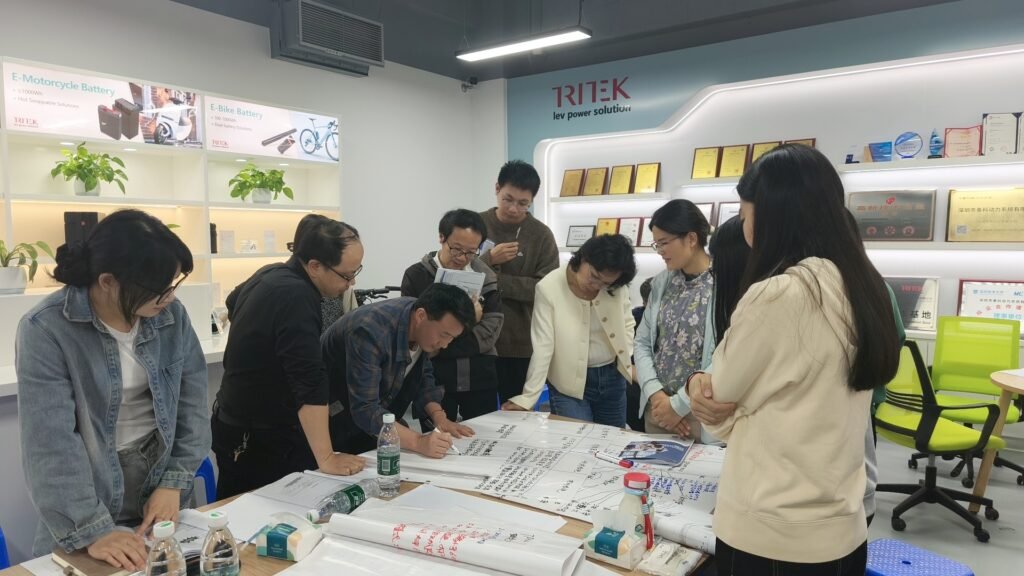
The DFMEA training focused on real product development scenarios in intelligent lithium battery systems.
Participants worked through the full methodology, including:
- Functional analysis from system to component level
- Identification of potential failure modes in design concepts
- Evaluation of risks based on severity, occurrence, and detection
- Definition of preventive design actions to eliminate or reduce risks
By analyzing risks early in the design phase, teams were able to uncover potential issues before they are transferred into production.
This approach ensures that risks are addressed at the source, where changes are more efficient, cost-effective, and impactful.
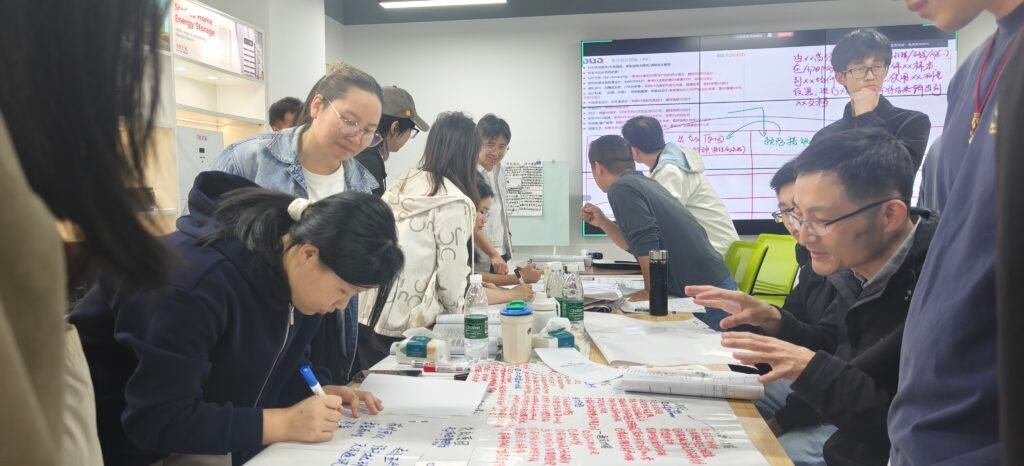
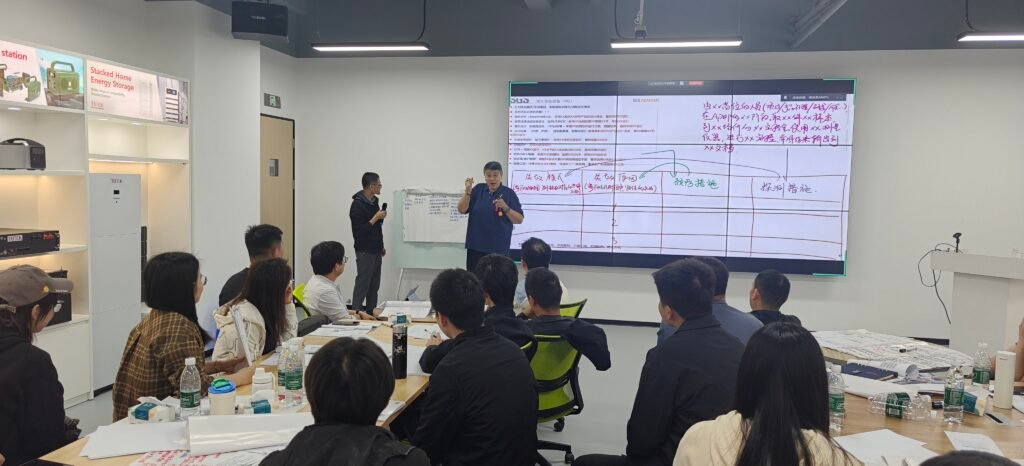
PFMEA in Practice: Identifying Risks on the Production Line
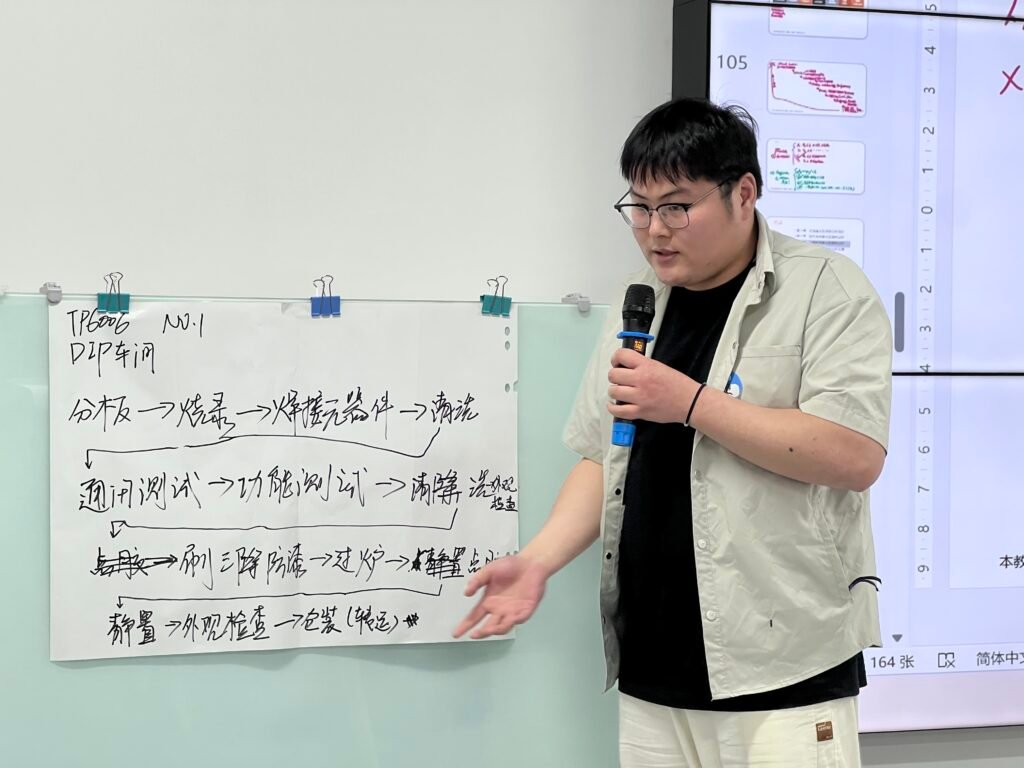
The PFMEA training focused on real manufacturing scenarios in intelligent lithium battery production.
Participants worked through the full methodology, including:
- Process flow analysis for each production step
- Identification of potential failure modes at the process level
- Risk evaluation using structured scoring systems
- Definition of preventive and control measures
By breaking down each operation, teams were able to identify risks that are often hidden in daily production activities.
This approach helps ensure that potential issues are addressed before they impact product quality or production efficiency.
Cross-Functional Collaboration: Aligning R&D, Quality, and Manufacturing
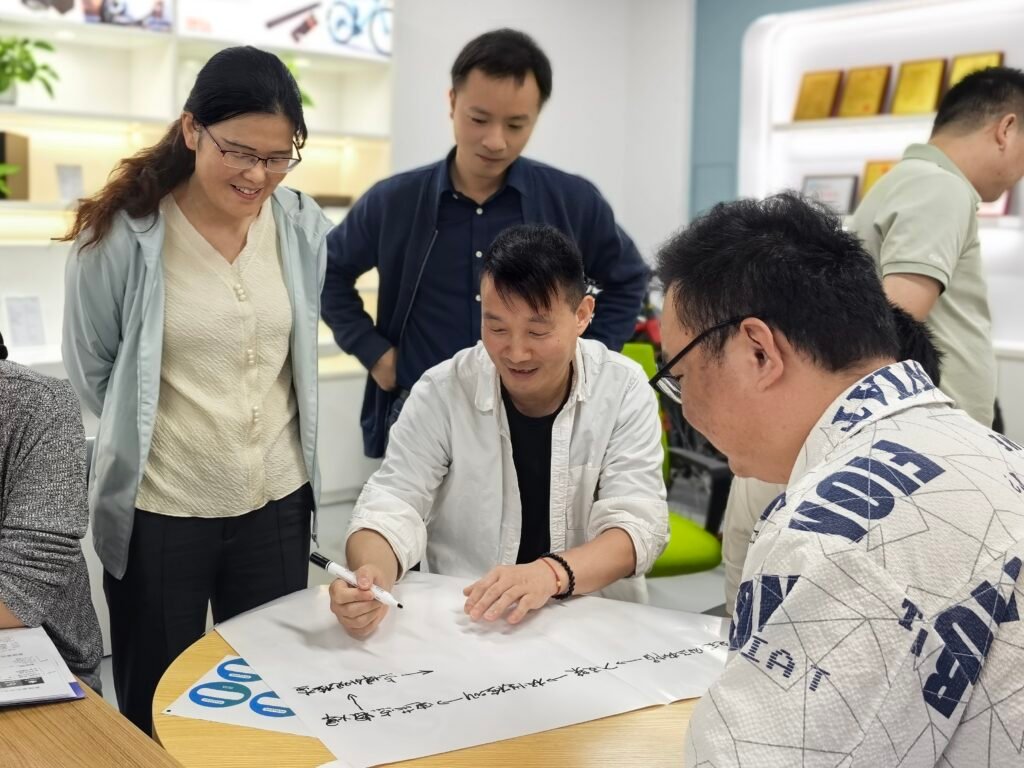
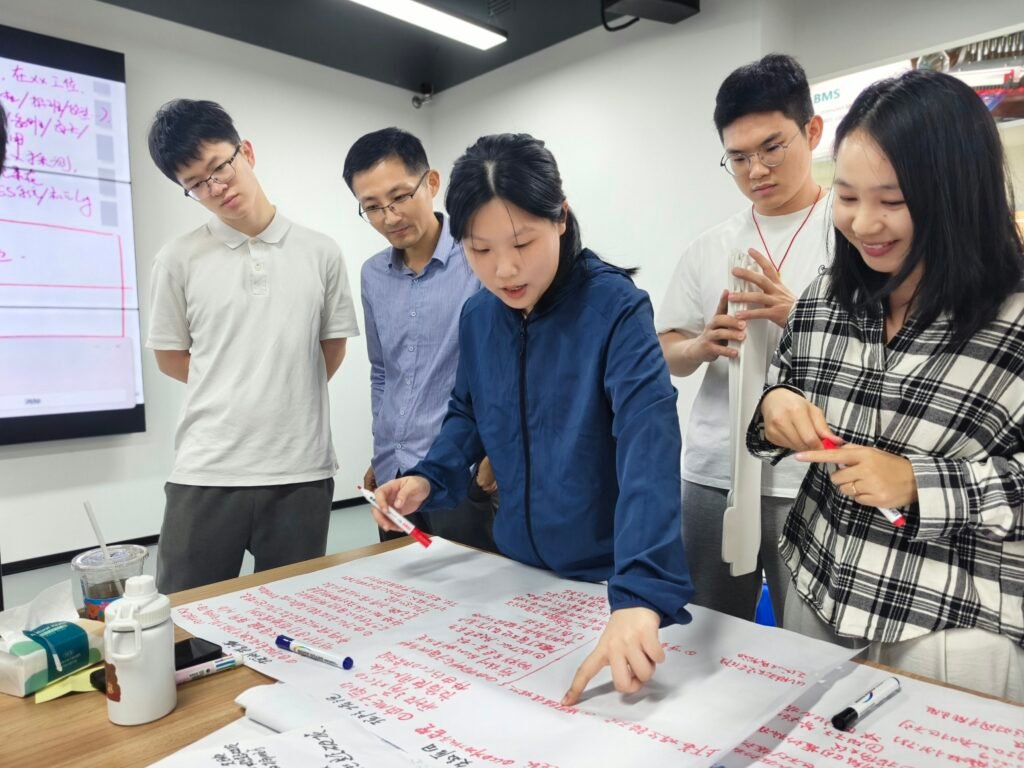
One of the most valuable outcomes of the training was the strengthened collaboration across teams.
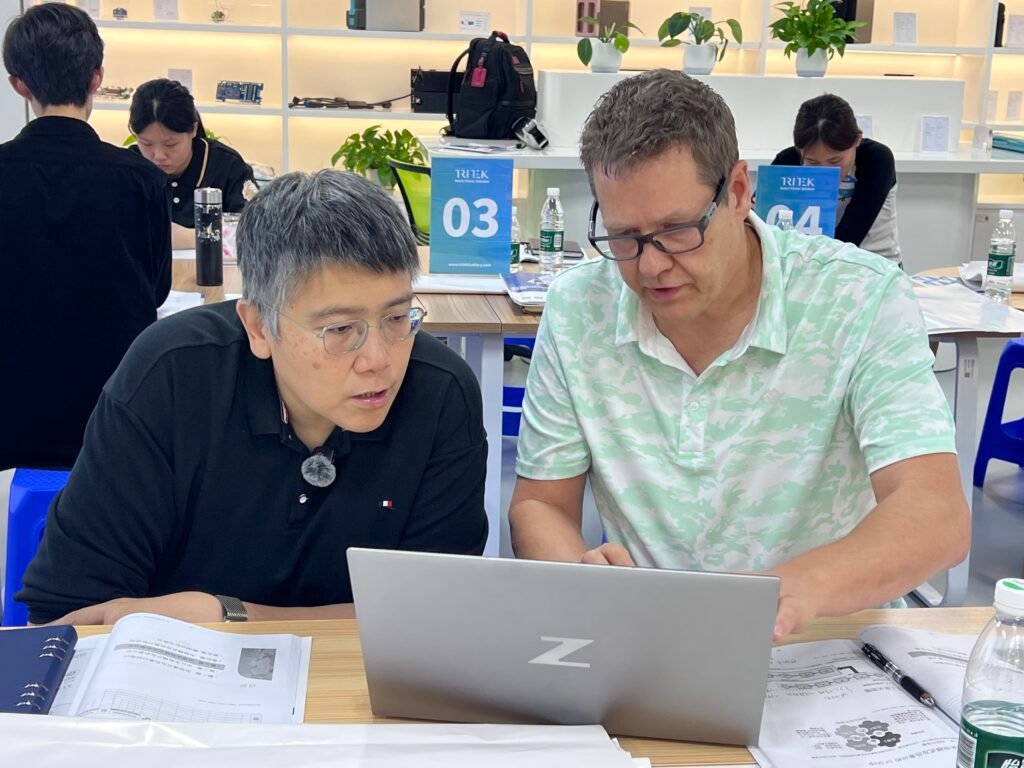
Participants from R&D, Quality, Process Engineering, Project Management, and Production worked together on real cases, aligning perspectives from design intent to manufacturing execution.
This cross-functional approach is essential for effective FMEA implementation:
- R&D defines product functionality
- Process teams translate design into manufacturing steps
- Quality teams ensure consistency and control
- Project teams coordinate execution across stages
By working as one integrated system, Tritek enhances both communication efficiency and risk management capability.
Integrating Global Expertise: SGS Training and International Best Practices
The training was delivered by SGS, following the AIAG-VDA FMEA standard, ensuring alignment with international best practices.
In addition, Tritek invited an experienced consultant Christian from Germany to participate in on-site discussions, bringing further insights into:
- Practical application of FMEA in global manufacturing environments
- Organizational challenges in implementing structured risk management
- Integration of FMEA into broader process and quality systems
This combination of external expertise and internal collaboration provides a strong foundation for continuous improvement.
Building a Closed-Loop Risk Management System
The completion of DFMEA and PFMEA training marks an important step in building a closed-loop risk management system at Tritek.
Key improvements include:
Design Level
- Structured analysis from system architecture to component level
- Early identification and mitigation of potential risks
Process Level
- Standardized PFMEA workflows across critical production processes
- Clear evaluation criteria and control measures
Organizational Level
- Stronger cross-functional collaboration
- Enhanced awareness of preventive thinking across teams
Together, these elements create a more robust and scalable approach to managing risk in lithium battery manufacturing.
Continuous Improvement for Reliable Battery Solutions
At Tritek, continuous improvement is embedded in both processes and culture.
Through FMEA training, the company continues to strengthen its internal capabilities, ensuring that risks are identified earlier, processes are more stable, and products are more reliable.
By combining structured methodologies with practical implementation, Tritek is building a solid foundation to deliver safer, smarter, and more dependable lithium battery solutions to global partners.