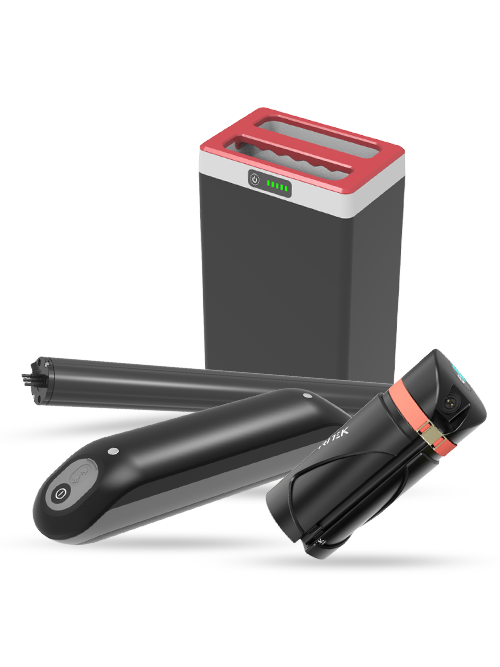
In the rapidly growing world of electric bicycles (e-bikes), safety is paramount. With rising concerns over battery fires and electrical hazards, standards like UL 2271 and UL 2849, developed and maintained by UL Solutions, have become essential benchmarks for manufacturers, retailers, and consumers. But what exactly do these standards cover, and how do they differ?
UL 2271 focuses on the safety of lithium-ion battery packs for light electric vehicles, while UL 2849 covers the entire e-bike electrical system, including the battery, charger, and drive system—making UL 2849 a more comprehensive system-level safety certification.
This comprehensive comparison of UL 2271 vs UL 2849 will help you understand their scopes, testing requirements, real-world applications, regulatory importance, and why choosing UL-certified electric bikes matters for your safety and peace of mind. Whether you’re a buyer, retailer, or industry professional, this guide is designed to clarify these critical safety certifications.
What is UL 2271? The Battery-Focused Standard
UL 2271 is the Standard for Batteries for Use In Light Electric Vehicle (LEV) Applications. It specifically addresses the safety of rechargeable lithium-ion battery packs used in e-bikes, e-scooters, hoverboards, and other light electric vehicles.
Key Aspects Covered by UL 2271:
- Construction and Materials: Evaluates the battery enclosure for resistance to impact, crushing, heat, flame, water, and UV exposure.
- Electrical Safety: Tests for overcharge, short circuit, over-discharge, and thermal runaway prevention via the Battery Management System (BMS).
- Mechanical and Environmental Testing: Includes vibration, shock, drop tests, thermal cycling, and exposure to extreme temperatures.
- Components: Covers cells, wiring, connectors, and the overall pack design.
UL 2271 certification ensures that individual battery packs are robust and less prone to failure, even when sold or replaced separately. This is particularly important because batteries are often handled, charged, or stored independently from the full vehicle.
In short, UL 2271 answers the question:
👉 “Is this battery pack safe on its own?”
What is UL 2849? The Full E-Bike System Standard
UL 2849 is the Standard for Electrical Systems for eBikes. It provides a more holistic evaluation of the entire electrical drive system in an e-bike.
Key Aspects Covered by UL 2849:
- Complete System Integration: Tests the battery pack, charger, motor, controller, wiring, display unit, and power connections as they work together.
- Electrical and Fire Safety: Examines risks like short circuits, overloads, insulation failures, and thermal events across the full system.
- Performance Under Real Conditions: Includes mechanical stability, environmental hazards (water, dust, vibration), and operational stresses.
- Charger and Interoperability: Ensures the charger interacts safely with the battery and system.
UL 2849 is widely regarded as the gold standard for ebike safety because it addresses how components interact in practice, not just in isolation.
UL 2849 answers a different question:
👉 “Is the entire e-bike electrical system safe when operating together?”
UL 2271 vs UL 2849: Side-by-Side Comparison
The key distinction is component-level safety vs system-level safety.
Aspect | UL 2271 (Battery Pack) | UL 2849 (Full Electrical System) |
|---|---|---|
Scope | Battery pack only | Entire e-bike electrical system (battery + motor + charger + controller + wiring) |
Primary Focus | Individual battery safety & construction | System-level integration, interactions, and fire prevention |
Key Tests | Impact, crush, thermal shock, overcharge, short circuit, environmental | All UL 2271 battery tests + system wiring, motor/controller safety, charger compatibility |
Best For | Replacement batteries, component-level assurance | Complete e-bikes for comprehensive safety |
Regulatory Relevance | Required in places like NYC for batteries | Mandated for full e-bikes in many jurisdictions (e.g., NYC law) |
Certification Level | Component (battery) | System-level (holistic) |
Simple interpretation:
- UL 2271 = Battery safety certification
- UL 2849 = Full e-bike electrical safety certification
Important Note: Achieving UL 2849 does not automatically mean the battery meets UL 2271 in every case, as UL 2849 offers multiple battery compliance pathways. However, many high-quality systems incorporate UL 2271-compliant batteries. Always verify specific certifications.
Why These Standards Matter: Safety, Regulations, and Consumer Protection
E-bike and micromobility fires have drawn significant attention from regulators and the public. Organizations like the U.S. Consumer Product Safety Commission (CPSC) and local governments have responded by promoting or mandating UL certifications.
- New York City: Requires UL 2849 for e-bikes and UL 2271 for batteries — one of the strictest laws in the U.S.
- Other Jurisdictions: Many areas reference these standards for workplace, retail, or consumer use.
- Insurance and Liability: Products that are certified to UL requirements are widely accepted by regulators, retailers, and insurance providers.
- Fire Prevention: Both standards target thermal runaway, a leading cause of lithium battery fires.
Buying non-certified or falsely claimed “UL-compliant” products can expose users to higher risks. Look for official UL marks and verify through UL’s database or accredited labs.
Common Misunderstandings
❌ Misunderstanding 1: UL 2271 equals full e-bike safety
False. UL 2271 only covers the battery pack, not the full system.
❌ Misunderstanding 2: UL 2849 replaces UL 2271
Incorrect. UL 2849 typically depends on UL 2271-certified batteries.
❌ Misunderstanding 3: Certification is optional
In many markets, certification is effectively mandatory due to retailer and regulatory requirements.
How Manufacturers Like Tritek Approach Compliance
Advanced battery manufacturers, such as Tritek Battery, design battery systems to align with UL 2271 requirements from the early R&D stage.
Key design strategies include:
- Integrated intelligent BMS protection systems
- Multi-layer thermal and electrical safeguards
- Structural optimization for shock resistance
- Smart communication (CAN, UART, Bluetooth, 4G) for diagnostics
These design foundations make it easier for OEM customers to integrate UL 2849-compliant systems later.
Conclusion
UL 2849 and UL 2271 are complementary safety standards serving different layers of e-bike architecture. UL 2271 ensures that the battery pack is intrinsically safe, while UL 2849 ensures that the entire electrical system operates safely under real-world conditions.
FAQs
Is UL 2271 required for UL 2849 certification?
Yes, in most cases the battery used in a UL 2849-certified system must already comply with UL 2271.
Can I sell an e-bike with only UL 2271 certification?
Generally no. UL 2271 alone does not certify the full e-bike system.
Which standard is more strict?
UL 2849 is more comprehensive because it evaluates system-level interactions.
Does UL 2849 include battery testing?
Yes, but it relies on UL 2271 compliance as part of the system validation.
Why are these standards important for the e-bike industry?
They reduce fire risk, improve reliability, and are increasingly required for legal market entry.
What is a Nationally Recognized Testing Laboratory (NRTL)?
A Nationally Recognized Testing Laboratory (NRTL) is an OSHA-approved independent lab (such as UL Solutions) authorized to test and certify products to UL standards. NRTL certification ensures rigorous, credible safety validation.