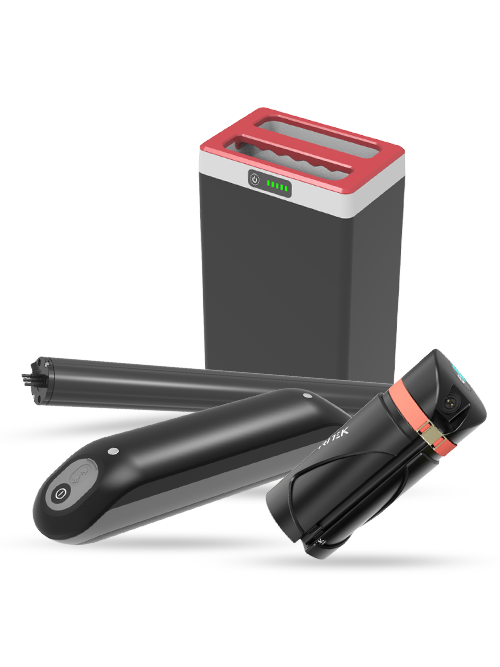
Batteries power nearly every modern system, from consumer electronics and electric vehicles to industrial equipment and energy storage systems. An overheating battery, however, is more than a performance issue; it represents a serious safety, reliability, and financial risk.
Battery overheating occurs when internal or external temperatures exceed the battery’s safe operating range, potentially triggering accelerated degradation, permanent damage, or thermal runaway.
This guide explains the root causes of battery overheating, the risks involved, immediate response steps, and proven prevention methods, based on real-world battery engineering and safety practices.
What is Battery Overheating?
Battery overheating refers to a condition in which a battery’s temperature rises beyond its designed safe operating limits.
Most lithium-ion batteries perform optimally between 20°C–25°C (68°F–77°F). Sustained operation above 45°C (113°F) significantly accelerates aging, while extreme temperatures may lead to thermal runaway, a self-reinforcing chemical reaction that can cause fire or explosion.
Why Batteries Overheat?
Fast or Overcharging
Charging a battery too quickly or beyond its rated capacity generates excess internal heat. This is especially risky with low-quality chargers or fast-charging methods not supported by the battery.
High Electrical Load or Discharge
Using batteries in high-drain devices or demanding environments, such as e-bikes, power tools, or EVs, can create intense electrical loads. This increases internal resistance and causes temperature spikes.
High Ambient Temperature
Hot weather or poor ventilation accelerates heat buildup. Devices left in cars or exposed to direct sunlight are particularly vulnerable.
Aging or Poor-Quality Cells
Old or low-quality batteries often have higher internal resistance, making them more prone to heat generation under normal use.
BMS or Thermal Management Failure
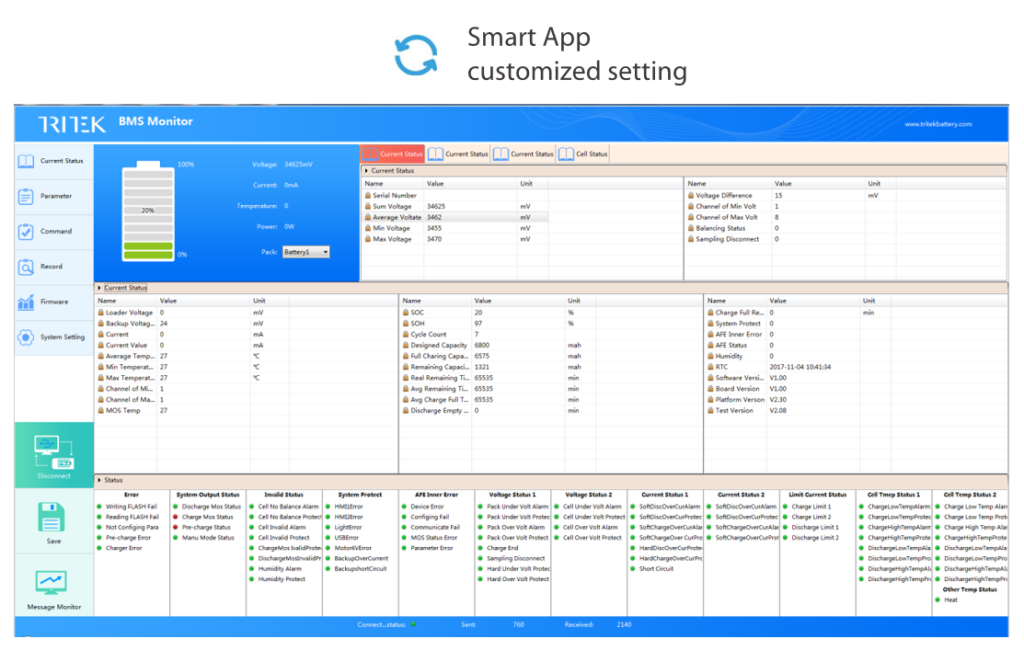
The Battery Management System (BMS) is responsible for monitoring temperature, voltage, and current. A malfunctioning or absent BMS fails to prevent overheating or thermal runaway.
Physical Damage or Internal Short Circuits
Crushed, punctured, or defective cells may short internally, leading to localized heat accumulation and fire risk.
Effects of Battery Overheating
Reduced Battery Life
- How: Heat speeds up chemical wear inside the battery.
- Result: Shorter charge capacity and more frequent replacements.
Performance Degradation
- How: High temperatures disrupt power delivery.
- Result: Slower charging, reduced runtime, or unexpected shutdowns.
Safety Hazards
- How: Heat can cause internal pressure build-up, swelling, leaks, or thermal runaway driven by uncontrollable chemical reactions.
- Result: Fires or explosions, especially in lithium-ion batteries.
Device Damage
- How: Overheated batteries can damage circuits or melt surrounding components.
- Result: Malfunctioning devices, costly repairs, or complete device failure due to severe heat damage.
How to Recognize Overheating
- The battery feels abnormally hot to touch during or after use.
- Decreased performance or shorter runtime.
- Physical swelling or deformation.
- Burnt smell, smoke, or visible leakage.
- Warning indicators such as a battery light or overheating alert from the BMS or device.
What to Do if Battery Overheats
Stop Use and Disconnect the Device
- Action: Unplug it or turn it off.
- Why: Stops heat from building up further.
Move to a Safe Area
- Action: Place it in a non-flammable, ventilated area to cool naturally, away from people and objects. Avoid direct contact, use gloves or tools if relocation is necessary.
- Why: Reduces fire risk if it worsens and prevents further damage.
Seek Professional Help
- Action: Call the manufacturer or a technician if it swells or leaks.
- Why: Experts can handle it safely.
Prevention Tips for Battery Overheating
Use Quality Chargers
- Why: Cheap chargers can overvolt or overcurrent the battery.
- Tip: Stick to manufacturer-approved chargers.
Avoid Extreme Temperatures
- Why: Heat or cold stresses the battery.
- Tip: Store devices away from sunlight or freezing conditions.
Monitor Battery Usage
- Why: Overcharging or deep draining creates heat.
- Tip: Unplug after full charge and avoid letting it hit 0%.
Inspect and Maintain Regularly
- Why: Catching issues early prevents overheating and extends battery life.
- Tip: Check for swelling, excessive heat, , loose or corroded battery terminals, or unusual behavior. Replace old or damaged batteries promptly.
How Industrial Battery Packs Prevent Overheating (Example: Tritek)
At Tritek, safety starts with smart thermal management.
Tier-1 Battery Cells
We use premium lithium-ion cells with low internal resistance, reducing heat buildup from the source.
Real-Time Temperature Monitoring
Built-in NTC sensors track cell and pack temperatures continuously, feeding data to our smart BMS.
Advanced BMS Protection
The BMS enforces thermal thresholds, limiting current or shutting down the system when temperatures exceed safe limits.


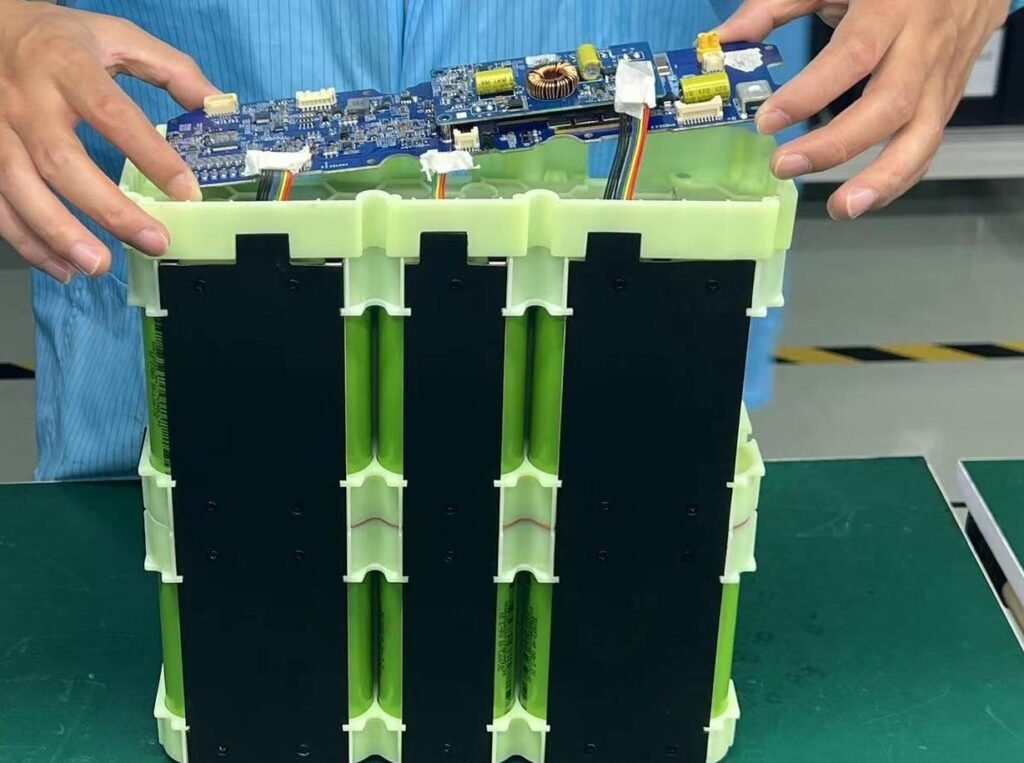
Optimized busbar and structural design
Custom busbars distribute heat evenly, minimizing hot spots and enhancing performance.
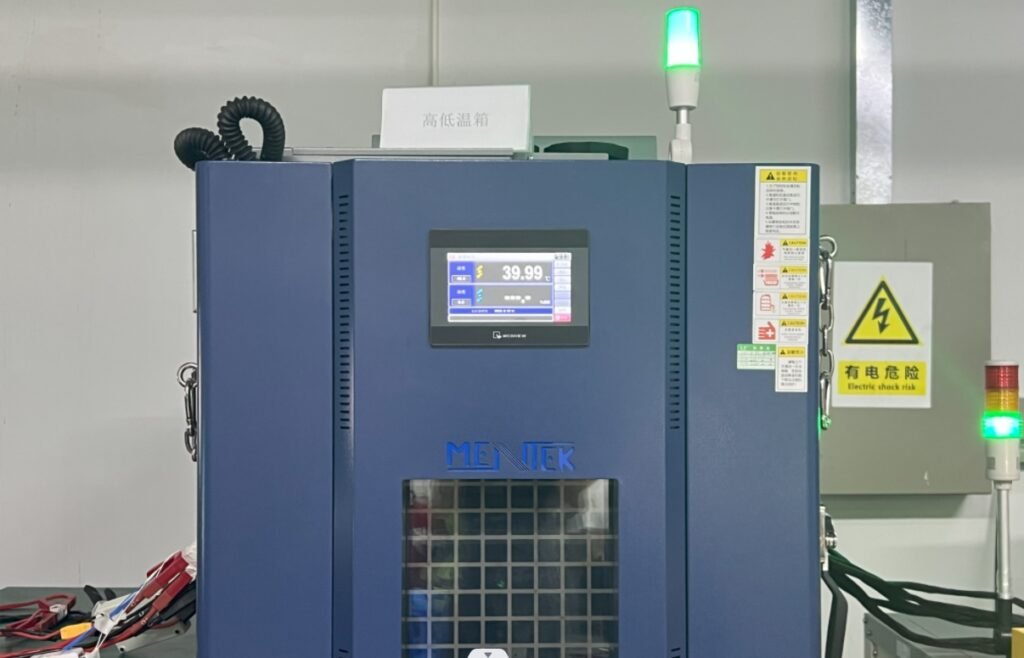
Tested in Extreme Temperatures
All packs undergo rigorous thermal testing, from sub-zero to 60°C+, to ensure reliable operation in any environment.

FAQs
What is the role of a voltage regulator in battery safety?
A voltage regulator ensures that the battery receives a stable voltage during charging and operation. Without a proper voltage regulator, electrical surges can lead to overheating or damage to the battery and connected devices.
Are lead-acid batteries at risk when overheating?
Absolutely. Overheating can vaporize sulfuric acid electrolyte in lead-acid batteries, causing pressure buildup, leaks, or corrosion.
How do electric vehicles prevent battery overheating?
Most car battery use liquid thermal management systems. A specialized coolant circulates through battery packs, absorbing heat during fast charging or high loads to maintain safe operating temperatures.
Does frequently recharging from 0% damage batteries?
Yes. Deep discharges strain lithium-ion cells, increasing internal resistance. For longevity, recharge between 20%–80% and avoid full cycles unless necessary.