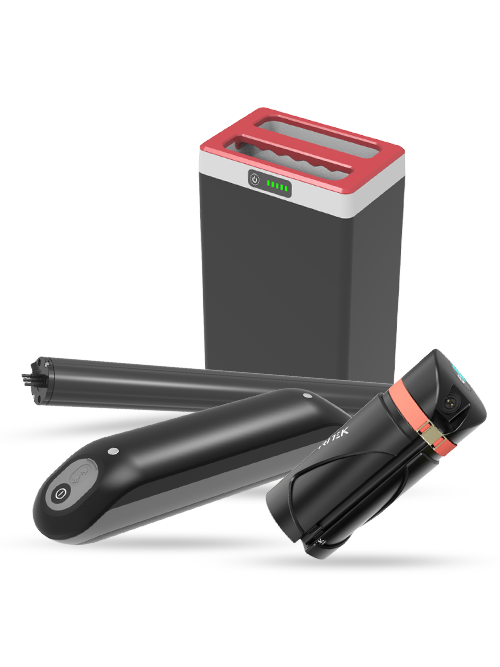
When selecting a battery for vehicles, marine systems, or energy storage equipment, the choice often comes down to starter batteries vs deep cycle batteries. Although they may look similar externally, these two battery types are engineered for very different operating profiles.
In short: a starter battery delivers short bursts of high current to start engines, while a deep cycle battery is designed to provide steady power over long periods and tolerate repeated deep discharges.
What Is a Starter Battery?
A starter battery (also known as a cranking battery) is designed to delivering a very large burst of current for a very short time, usually 5–15 seconds, to turn over an engine starter motor.
Key Characteristics
- High Cold Cranking Amps (CCA) or Marine Cranking Amps (MCA), often 500–1000+ CCA
- Shallow discharge design: normally designed to lose just 1–5% of capacity per start.
- Many thin plates inside: maximizes surface area for instant high current delivery
- Rapid recharge: Alternators recharge the battery quickly after the engine starts.
Typical Applications
- Cars and trucks
- Motorcycles
- Diesel generators
- Internal combustion engine equipment
Because they are optimized for short bursts of power, starter batteries are not suitable for deep or repeated discharge cycles. If you repeatedly discharge a starting battery below ~50% depth of discharge (DoD), the thin plates sulfate quickly and the battery dies prematurely, sometimes in months instead of years.
What Is a Deep Cycle Battery?
A deep cycle battery is designed to provide stable power output over extended periods. It can be repeatedly discharged to a significant portion of its capacity without damaging the battery.
Key Characteristics
- Sustained energy output: Provides consistent power for hours.
- Deep discharge capability: Typically tolerates 50–80% depth of discharge (some lithium versions allow 90–100% DoD).
- Thicker internal plates: Improves durability and cycle life.
- Long cycle life: Designed for hundreds or thousands of charge-discharge cycles.
Typical Applications
- Electric vehicles and e-bikes
- Marine trolling motors
- Solar energy storage systems
- RV and off-grid power systems
- Electric forklifts and industrial equipment
Deep cycle batteries prioritize energy capacity and durability, rather than peak current.
Side-by-Side Comparison
The table below highlights the key differences between starter batteries and deep cycle batteries in terms of design, discharge behavior, and lifespan.
Feature | Starter (Cranking) Battery | Deep Cycle Battery |
|---|---|---|
Plate design | Thin plates for high surface area | Thick plates for durability |
Power delivery | Short bursts of high current | Continuous moderate current |
Discharge depth | Shallow (usually <10%) | 50–80% (up to 100% for lithium) |
Cycle life | Poor if deeply cycled (~100–300) | Good to excellent (500–5000+) |
Primary function | Engine starting | Energy storage and continuous power |
Dual-Purpose Batteries – A Middle Ground?
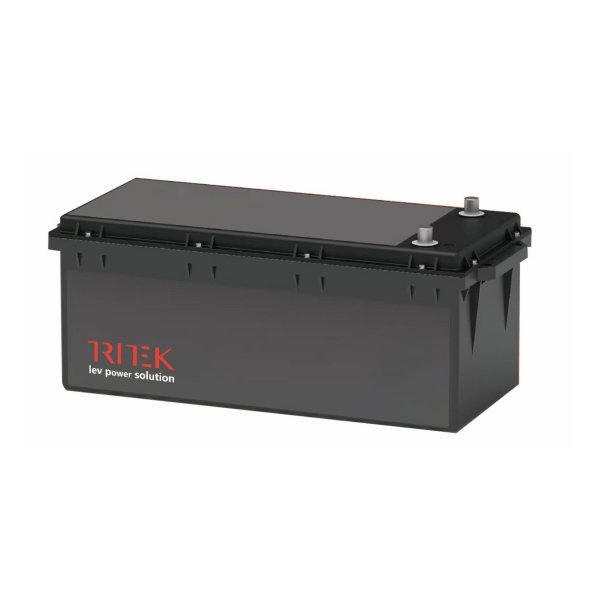
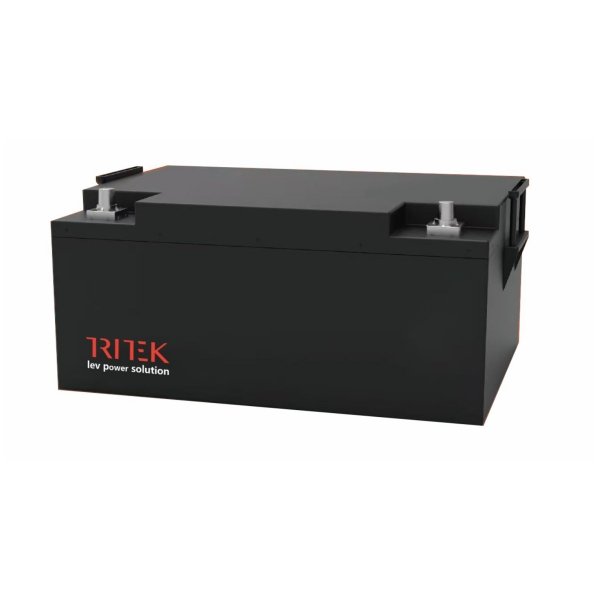
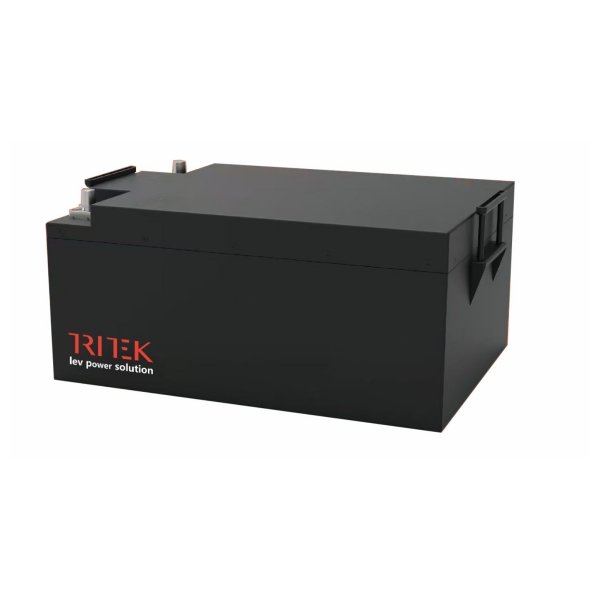
Many manufacturers offer dual-purpose marine batteries that try to balance both worlds. They have somewhat thicker plates than pure starter batteries and higher CCA than pure deep cycle batteries.
- They can start engines and run moderate house loads
- Popular in smaller boats, jet skis, small RVs
Which Battery Should You Choose?
The correct battery depends entirely on the power profile of the application.
Choose a starter battery if:
- The system requires high current for a few seconds
- The battery will be quickly recharged after each use
- The primary purpose is engine ignition
Choose a deep cycle battery if:
- The system needs continuous power for long periods
- The battery will experience frequent deep discharges
- Long cycle life and durability are critical
For electric mobility systems such as e-bikes, electric motorcycles, and robotics platforms, deep cycle lithium batteries are typically the preferred choice because they provide stable energy output, longer lifespan, and better energy density.
Conclusion
The difference between a starter battery and a deep cycle battery lies primarily in how they deliver power and how they are used. Starter batteries are optimized for short, high-current bursts, while deep cycle batteries are engineered for sustained power and repeated deep discharge cycles.
Selecting the appropriate battery type ensures reliable power, longer lifespan, and improved system reliability, particularly in applications such as electric mobility, renewable energy storage, and industrial equipment.
FAQ
Can a starter battery be used as a deep cycle battery?
No. A starter battery is designed to deliver a short burst of high current to start an engine and then be quickly recharged. If used in a deep cycle application where the battery is frequently discharged, the thin internal plates will degrade quickly. This can lead to sulfation and a significantly shorter lifespan.
Deep cycle batteries, on the other hand, are specifically engineered to handle repeated deep discharge cycles, making them more suitable for applications such as solar energy storage, electric vehicles, and marine systems.
What happens if you use a deep cycle battery to start an engine?
A deep cycle battery can sometimes start an engine, but it is not optimized for that purpose. Deep cycle batteries are designed to deliver steady power over long periods, rather than extremely high current bursts.
Using a deep cycle battery as a starter battery may result in:
- Slower engine cranking
- Increased stress on the battery
- Reduced overall battery lifespan
For vehicles with internal combustion engines, a dedicated starter (cranking) battery is usually the better choice.
Are lithium batteries considered deep cycle batteries?
Yes. Most lithium batteries used in energy storage and electric mobility applications are deep cycle batteries. Compared with traditional lead-acid batteries, lithium batteries typically offer:
- Higher usable depth of discharge (often up to 90–100%)
- Longer cycle life (often thousands of cycles)
- Higher energy density
- Lighter weight
Because of these advantages, lithium deep cycle batteries are widely used in e-bikes, electric motorcycles, robotics, solar storage systems, and industrial equipment.