
Ebike Glossary Of Terms – 81 things you should know
Introducing the comprehensive Ebike Glossary Of Terms, your ultimate guide to understand e-bike components, batteries, motors, and more. Become an e-bike expert and shop like a pro!

You can also follow me on above platforms.
Hello, I’m Bluen, I have over 10 years of experience working with a large public company, where I’ve been responsible for managing power-lithium battery pack projects and overseeing production.
Throughout my career, I’ve developed a deep understanding of the battery market and kept up with the latest trends in R&D.
My expertise extends to automatic production lines and intelligent manufacturing, giving me a unique perspective on the technical and operational aspects of battery production.
I’m excited to share my insights and knowledge with you through my blog.
From managing production lines to visiting customers, these photos capture moments from my daily life in the lithium battery industry.


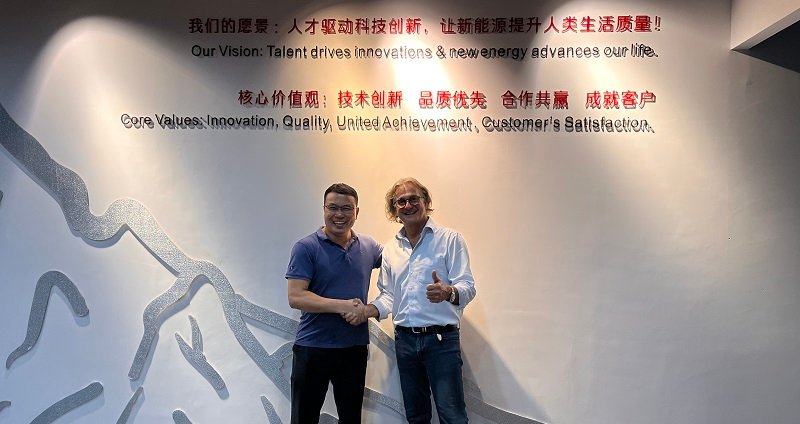
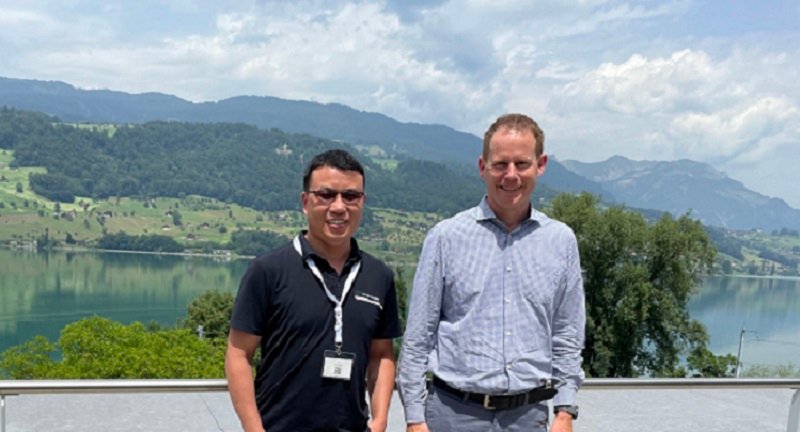
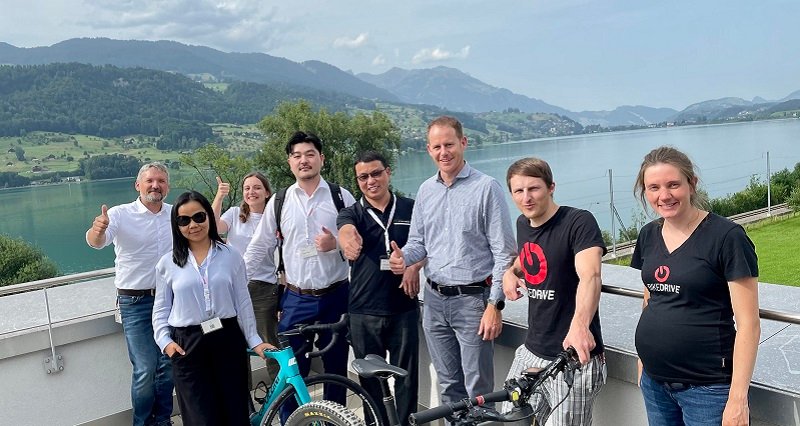
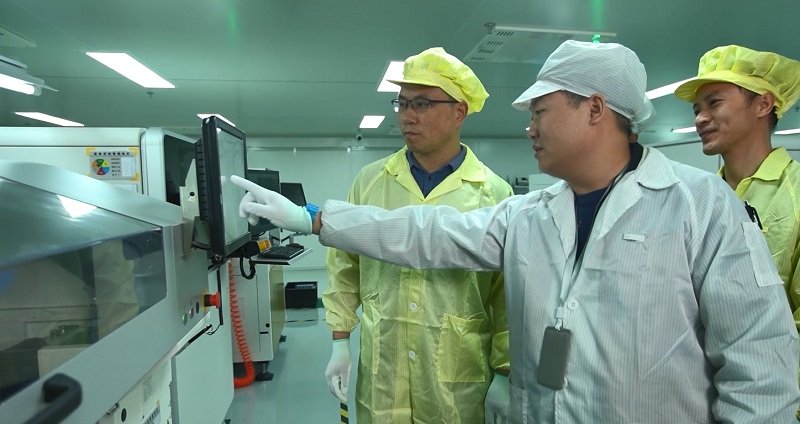
I founded Tritek with a simple yet powerful intention: to create the best customized intelligent battery packs for our customers. This ambition became our mission: We turn the customers’ idea into perfect battery products.
To achieve this, I brought together a team of experts from various fields—software, hardware, structural engineering, electronics, testing, and project management. We also needed our own in-house Battery Management System (BMS) manufacturing to maintain control over quality and customization.
Our hard work began to yield results, allowing us to collaborate with leading manufacturers of drive systems, e-bikes, and e-scooters from countries like the Netherlands, Germany, and Spain.
Quality is our top priority, so we adhere to the IATF16949 quality standard throughout the entire production process for lithium battery products.
To ensure timely delivery, we invested over 100 million RMB in three automated SMT lines for PCBA production and four semi-automatic lines for battery assembly.
Customer satisfaction doesn’t end with production. To provide top-notch pre-sales and after-sales support, we established a branch in Spain and Tritek Europe GmbH in Germany.
Our commitment to our original intention drives us to continually improve our products and services, aiming to meet even higher standards. This dedication forms the core of our values: Innovation, Quality, United Achievement, and Customer Satisfaction.
Introducing the comprehensive Ebike Glossary Of Terms, your ultimate guide to understand e-bike components, batteries, motors, and more. Become an e-bike expert and shop like a pro!
Discover how regenerative braking and Li-Ion batteries optimize energy efficiency in e-cargo bikes. What are the Challenges in Regenerative Braking in E-Cargo Bikes
Discover the transformative power of BMS batteries for e-bikes. With enhanced performance, safety, and longevity, these intelligent systems optimize your riding experience. Explore the benefits and choose Tritek’s reliable BMS solutions for your business.
Revolutionize e-cargo bikes with swappable battery solutions: rapid swapping, customizable capacity, scalable infrastructure, enhanced safety
Uncover the secrets of designing high-performance eBike batteries. Explore factors like Li-ion cell testing, custom BMS, and optimal design. Trust Tritek’s expertise for top-quality battery solutions tailored to B2B needs.
Discover the importance of power output and high-capacity Li-ion batteries in meeting the needs of heavy-duty electric cargo bikes.
Discover Tritek, a leading e-bike battery OEM manufacturer based in Shenzhen, China. Experience compact, lightweight, and high-energy lithium-ion battery packs. Elevate your e-bike experience with Tritek’s expertise and quality.
Join us on a journey to explore why Tritek’s 21700 lithium-ion battery packs, powered by trusted brands like SAMSUNG, LG, and Panasonic, are the perfect power solution for your e-bike business. Discover how our commitment to quality, performance, and customer satisfaction can help transform your business and delight your customers.
Remember, the future is electric, and we’re powering the way forward. Together, let’s electrify the world, one ride at a time.
The future of logistics has arrived, and it comes in the form of high-capacity cargo bike batteries. These innovative batteries are revolutionizing the way we transport goods, offering extended range and durability that cater to the needs of businesses.
Riding the wave of green revolution, custom cargo bike lithium-ion batteries are paving the way for a sustainable future. This comprehensive guide will walk you
In this article, we will delve into the importance of selecting the appropriate voltage for electric motorcycle batteries and how it impacts their performance, particularly in a business context.
I usually reply within 24 hours
Tritek is your ODM partner for lev battery, and we pay close attention to your requirements.
* required
