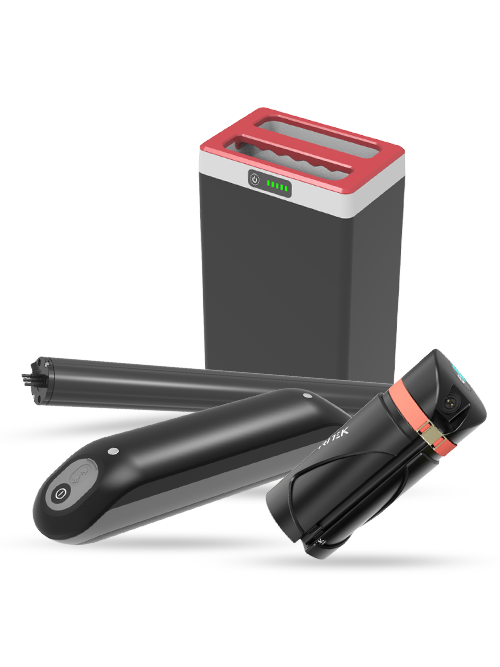
Fast charging has become one of the most important innovations in the e-bike industry. Riders want shorter charging times, delivery fleets want maximum vehicle uptime, and manufacturers are developing smarter lithium battery systems that can recharge faster without sacrificing safety or lifespan.
But many people still ask the same question: does fast charging damage e-bike battery systems?
The answer is more complex than a simple yes or no. Fast charging can increase battery stress under certain conditions, but modern intelligent lithium battery systems are increasingly designed to support fast charging safely and efficiently. In most cases, the real issue is not charging speed itself, but poor battery design, excessive heat, incompatible chargers, and weak battery management systems.
Fast charging can accelerate e-bike battery degradation if the battery cells, BMS, cooling system, or charger are poorly designed. However, high-quality lithium-ion e-bike batteries with intelligent battery management systems, thermal protection, and optimized charging algorithms can safely support fast charging with minimal impact on battery lifespan. Heat management and charging control are the key factors that determine long-term battery health.
What Is Fast Charging in an E-bike Battery?
Fast charging refers to charging an e-bike battery at a higher current than standard charging methods. The goal is to reduce charging time while maintaining safe battery operation.
For example:
Charging Type | Typical Charging Current | Approximate Charging Time |
|---|---|---|
Standard Charging | 0.5C | 5–7 hours |
Moderate Fast Charging | 1C | 2–4 hours |
High-Speed Fast Charging | 2C or higher | Under 2 hours |
In lithium battery engineering, “C-rate” describes how quickly a battery charges relative to its capacity. A 1C charging rate means the battery can theoretically charge fully in one hour.
How Lithium-ion E-bike Batteries Charge
To understand whether fast charging damages a battery, it is important to understand how lithium-ion batteries charge internally.
Most lithium-ion e-bike batteries use a two-stage charging process:
Constant Current (CC) Stage
During the first stage, the charger delivers a steady current to the battery. This is the phase where fast charging mainly occurs.
Higher charging current means lithium ions move more rapidly between the electrodes.
Constant Voltage (CV) Stage
Once the battery reaches its target voltage, the charger maintains a constant voltage while gradually reducing current.
This stage protects the battery from overcharging and excessive stress.
During charging, lithium ions move from the cathode to the anode. Faster charging increases internal resistance and heat generation. If heat becomes excessive, battery degradation accelerates.
Does Fast Charging Actually Damage the Battery?
The Short Answer: Fast charging itself is not inherently harmful.
Modern lithium-ion batteries designed for fast charging can operate safely with limited impact on lifespan. However, poorly engineered battery systems may experience faster degradation under high charging current.
The key issue is how the battery manages heat, voltage, and current during charging.
What Happens During Aggressive Fast Charging?
When charging speed becomes too high for the battery design, several degradation mechanisms can occur.
Heat Accumulation
Higher charging current generates more heat inside the cells. Excessive heat accelerates chemical aging.
Lithium Plating
At very high charging speeds or low temperatures, lithium metal can deposit on the anode surface instead of properly intercalating into the material.
This phenomenon, called lithium plating, permanently reduces battery capacity and increases safety risks.
Electrolyte Decomposition
High temperature and voltage stress can degrade the electrolyte over time, reducing battery performance.
Increased Mechanical Stress
Rapid ion movement creates additional stress inside electrode materials, contributing to long-term wear.
The Biggest Enemy Is Heat, Not Charging Speed
Many people assume charging speed itself is the main problem. In reality, heat is usually the largest factor affecting battery degradation.
A well-designed fast charging system carefully controls temperature throughout the charging process.
A poorly designed battery may overheat even during moderate charging.
“A well-managed fast charging system generates controlled heat, while a poorly designed system creates damaging heat buildup.”
Most lithium-ion e-bike batteries perform best when charging between approximately 10°C and 35°C.
Charging outside this range can increase battery stress.
Charging in Cold Temperatures
Low-temperature charging increases the risk of lithium plating.
Charging in Hot Environments
High ambient temperature accelerates chemical aging and capacity loss.
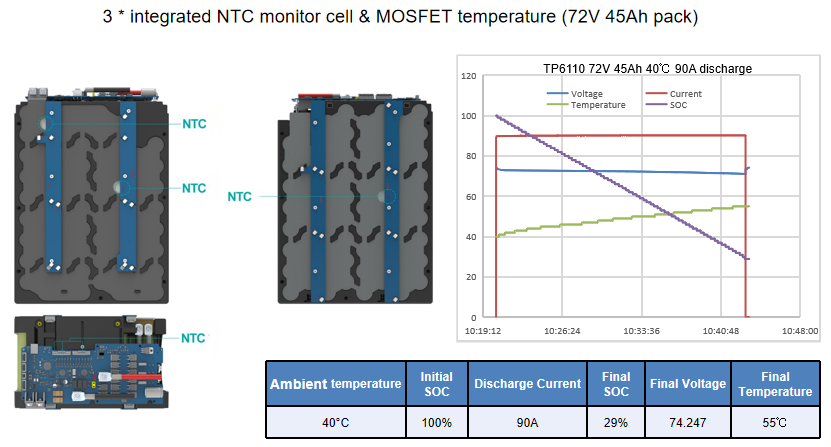
This is why advanced battery packs increasingly include:
- Temperature sensors
- Intelligent BMS control
- Thermal protection systems
- Optimized heat dissipation structures
- Smart charging algorithms
How Modern E-bike Batteries Reduce Fast Charging Damage
Modern intelligent battery systems use multiple technologies to minimize degradation during fast charging.
Intelligent Battery Management System (BMS)
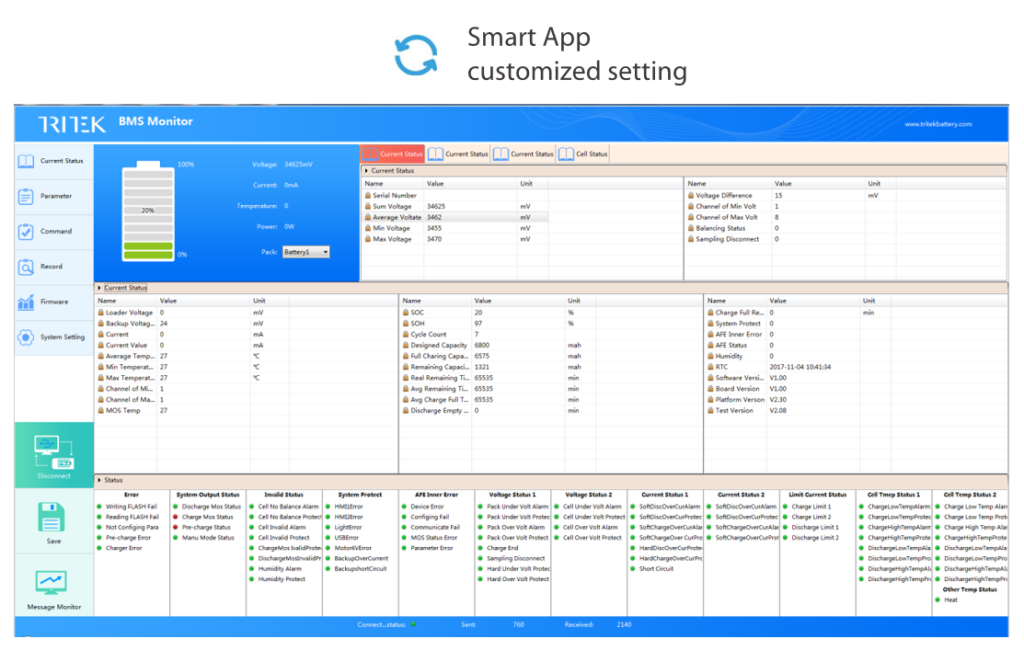
The Battery Management System plays a critical role in protecting the battery.
Advanced BMS functions include:
- Real-time temperature monitoring
- Dynamic current adjustment
- Overvoltage protection
- Overcurrent protection
- Cell balancing
- Short-circuit protection
- Charging cutoff protection
An intelligent BMS can automatically reduce charging current if abnormal temperature or voltage conditions are detected.
High-Quality Lithium Cells
Not all lithium cells tolerate fast charging equally.
Tier-1 lithium cell manufacturers typically design cells with:
- Lower internal resistance
- Better thermal stability
- Improved cycle life
- Higher charging tolerance
Higher-quality cells generally experience less degradation during fast charging.

Thermal Management Design
Battery structure also affects fast charging performance.
Advanced e-bike battery packs increasingly use:
- Aluminum enclosures for heat dissipation
- Internal airflow optimization
- Compact thermal pathways
- Intelligent thermal monitoring
Efficient thermal management helps maintain stable operating temperatures during charging.

Smart Charger Communication
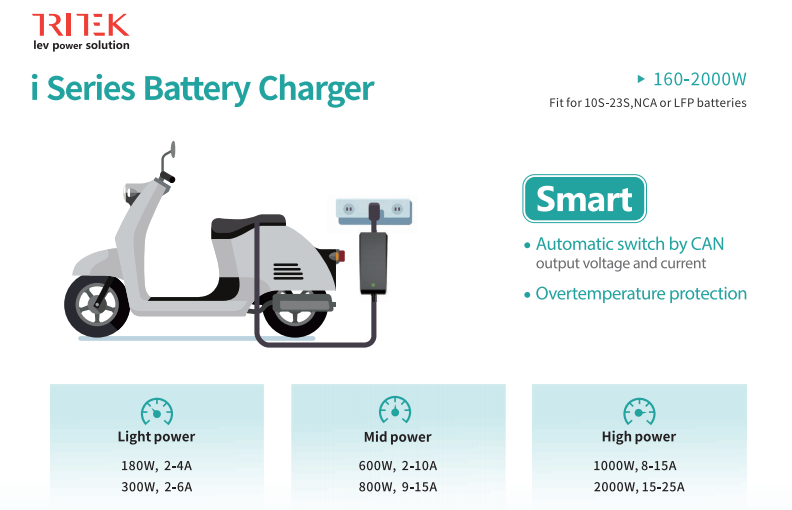
Modern smart batteries may support communication between the charger and battery through protocols such as CAN communication.
This allows:
- Dynamic charging adjustment
- Real-time monitoring
- Charging optimization
- Firmware and OTA charging updates
Does Fast Charging Reduce Battery Lifespan?
Fast charging can slightly reduce long-term cycle life compared with slower charging, but the difference is often smaller than many people expect.
The actual impact depends on:
- Battery quality
- Charging frequency
- Thermal management
- Operating temperature
- Charging habits
Here is a general comparison:
Charging Method | Heat Generation | Battery Stress | Estimated Lifespan Impact |
|---|---|---|---|
Standard Charging | Low | Low | Minimal |
Occasional Fast Charging | Moderate | Moderate | Limited |
Daily Aggressive Fast Charging | High | Higher | More noticeable |
For high-quality smart battery systems, moderate fast charging often has only a limited real-world effect on battery lifespan.
In many cases, poor charging habits damage batteries more than fast charging itself.
Is Fast Charging Safe for All E-bike Batteries?
The answer is no.
Not all e-bike batteries are designed to support fast charging safely.
Batteries Designed for Fast Charging
Batteries engineered for fast charging usually include:
- Intelligent BMS
- High-quality lithium cells
- Thermal protection
- Certified safety systems
- Optimized charging algorithms
These batteries can safely manage higher charging current.
Batteries That Should Avoid Fast Charging
Some battery systems may experience accelerated degradation or safety risks when fast charged.
These include:
- Low-cost generic batteries
- Aging battery packs
- Non-certified battery systems
- Poor-quality lithium cells
- Batteries without thermal monitoring
Using an incompatible fast charger on these systems may increase overheating risks.
Best Practices to Minimize Fast Charging Damage
Users can significantly extend battery life by following proper charging practices.
- Use the Original Charger: Always use the charger approved by the battery manufacturer.
- Avoid Charging Immediately After Riding: Allow the battery to cool down before charging.
- Avoid Extreme Temperatures: Do not charge the battery under direct sunlight or below freezing temperatures.
- Avoid Keeping the Battery at 100% Constantly: Keeping the battery between approximately 20% and 80% can help reduce long-term stress.
- Use Fast Charging Only When Necessary: Occasional fast charging is usually acceptable, but constant high-speed charging may increase wear over time.
- Keep Firmware Updated: Some smart batteries support OTA updates that optimize charging performance and protection logic.
“Battery lifespan depends more on charging habits and thermal management than charging speed alone.”
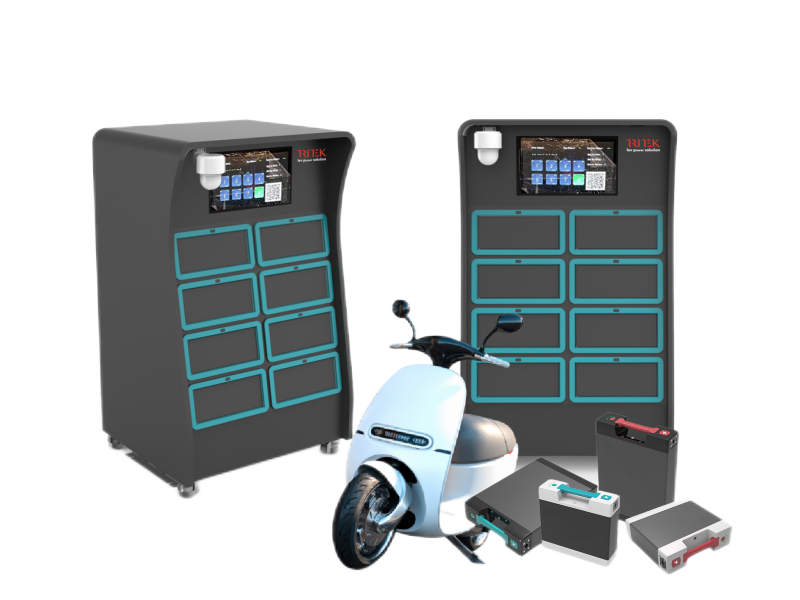
Fast Charging vs Battery Swapping
For commercial fleet applications, battery swapping is becoming an alternative to ultra-fast charging.
Advantages of Fast Charging
- Lower infrastructure complexity
- Convenient for consumers
- Reduced spare battery inventory
Advantages of Battery Swapping
- Minimal downtime
- Lower charging stress
- Centralized battery management
- Better fleet utilization
Battery swapping is increasingly used in:
- Delivery fleets
- Shared mobility
- Commercial logistics
- High-uptime fleet operations
Future Trends in E-bike Fast Charging Technology
The e-bike industry continues developing technologies that improve charging speed while minimizing degradation.
Future innovations may include:
- Silicon anode batteries
- Solid-state batteries
- AI-powered charging optimization
- Adaptive charging algorithms
- Smart cloud-connected batteries
- Ultra-fast charging infrastructure
As battery technology improves, fast charging is expected to become safer, faster, and more battery-friendly.
Conclusion
Fast charging does not automatically damage an electric bike battery.
The real factors that determine battery lifespan are heat management, battery quality, charging control, and system design.
High-quality lithium-ion battery systems with intelligent BMS, thermal protection, and optimized charging algorithms can safely support fast charging with relatively limited impact on long-term performance.
For riders and OEM buyers, choosing a well-engineered battery system is far more important than simply avoiding fast charging. Tritek provides customized e-bike battery solutions designed for reliable fast charging, smart communication, and long-term durability.
FAQ
Can all e-bike batteries support fast charging?
No. Only batteries specifically designed for rapid charging should use high-speed chargers.
How can I extend my e-bike battery lifespan?
To maximize battery life:
- Avoid extreme temperatures
- Use compatible chargers
- Avoid deep discharging
- Store batteries properly
- Minimize excessive heat exposure
- Follow recommended charging practices