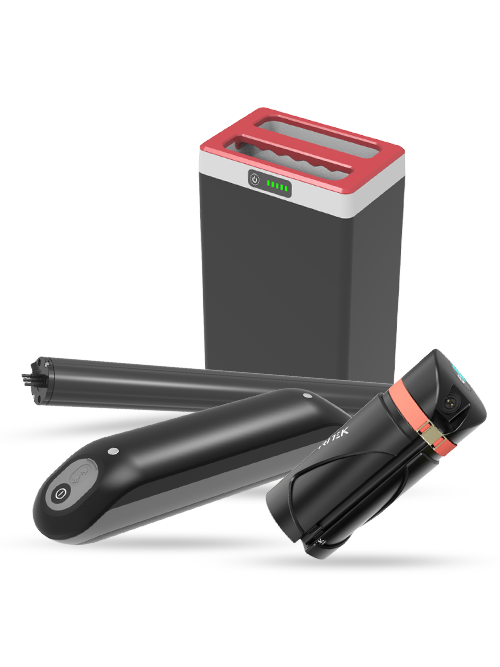
The energy storage landscape is undergoing a profound shift. Lithium-ion batteries, particularly LiFePO4 (LFP) variants, are rapidly replacing traditional lead-acid batteries across solar installations, electric vehicles, industrial equipment, marine systems, and backup power solutions.
While lead-acid batteries have powered applications reliably for over a century due to their low upfront cost, lithium-ion technology now dominates in performance, efficiency, and long-term economics. BloombergNEF reports that lithium-ion battery pack prices fell to $108/kWh in 2025, with further declines expected in 20261.
This comprehensive guide examines why the switch is happening, a detailed benefits comparison, total cost of ownership (TCO) analysis, real-world applications, and practical decision-making advice.
Understanding Lead-Acid vs. Lithium-Ion Batteries
How Lead-Acid Batteries Work
Lead-acid batteries come in flooded, AGM (Absorbed Glass Mat), and gel types. They use lead plates and sulfuric acid electrolyte to store energy through chemical reactions. They are mature, recyclable, and inexpensive initially but suffer from limitations in deep cycling, weight, and maintenance.
How Lithium-Ion Batteries Work (Focus on LiFePO4)
Modern lithium-ion batteries for stationary and motive power typically use Lithium Iron Phosphate (LiFePO4 or LFP) chemistry. Unlike lead-acid batteries, they offer superior safety, thermal stability, and longevity. A Battery Management System (BMS) protects against overcharge, over-discharge, and temperature extremes.
Key Technical Differences
Feature | Lead-Acid Battery | Lithium-Ion Battery |
|---|---|---|
Energy Density | 30-50 | 120-180+ |
Weight | Heavy | 50–70% lighter |
Cycle Life | 300–1,000 cycles | 2,000–6,000+ cycles |
Charging Time | 6–12 hours | 1–4 hours |
Maintenance | Regular | Minimal |
Depth of Discharge | ~50% | 80–100% |
Efficiency | 70–85% | 95–99% |
Self-Discharge | Higher | Lower |
Operating Temp Range | Narrower | Wider (with BMS) |
Cost Comparison: Upfront vs. Total Cost of Ownership (TCO)
Initial Purchase Costs (2026): Lead-acid remains cheaper upfront. A typical 12V 100Ah AGM lead-acid costs $150–$400, while a comparable lithium (LiFePO4) ranges from $300–$800 depending on features. At the pack level, lithium sits around $100–$150/kWh, while lead-acid is significantly lower per nominal kWh.
Long-Term Savings: Lithium wins decisively on TCO.
10-Year Example: 5kWh Solar Storage System (approximate figures)
Cost Factor | Lead-Acid | Lithium-Ion (LFP) |
|---|---|---|
Initial Cost | $4,000–$6,000 | $8,000–$12,000 |
Replacements (10 yrs) | 2–3 times | 0–1 time |
Maintenance | $1,500–$3,000 | Minimal |
Efficiency Losses | Higher electricity costs | Significant savings |
Total 10-Year Cost | $15,000–$25,000+ | $9,000–$14,000 |
Studies show lithium can be 2.5–3 times cheaper per usable kWh over its life. For material handling (forklifts), the savings are even more dramatic due to reduced downtime and labor.
RV Example: A lead-acid bank might cost $800 and need replacement every 3–4 years ($2,400+ over 10 years). A lithium setup costs more initially but lasts the full decade with better performance.
When Lead-Acid Still Makes Sense: Very low-cycle, budget-constrained, or standby applications with infrequent use.
Applications Where Lithium-Ion Batteries Are Replacing Lead-Acid
Electric Bicycles and Micromobility: Lithium-ion batteries enable lighter vehicles, longer range, and improved rider experience.
Forklifts and Material Handling Equipment: Warehouses increasingly adopt lithium-powered forklifts because of fast charging, reduced maintenance, and optimal performance even under heavy usage and multi-shift operations.
AGVs and AMRs: Autonomous mobile robots require lightweight batteries, opportunity charging capability, and long service life, all strengths of lithium-ion technology.
Floor Cleaning Machines: Commercial cleaning equipment benefits from longer operating hours and faster recharge cycles.
Golf Carts and Utility Vehicles: Lithium batteries improve driving range while reducing vehicle weight.
RV and Marine Applications: Higher energy density allows users to maximize available space while increasing usable energy storage.
Solar Energy Storage Systems: Lithium-ion batteries have become a preferred choice for residential and commercial energy storage due to their high efficiency and long cycle life.
Telecom and UPS Backup Power: Telecommunications infrastructure and backup power systems increasingly rely on lithium batteries for improved reliability and lower maintenance.
Challenges of Switching from Lead-Acid to Lithium-Ion
Higher Upfront Investment: The initial purchase price remains the primary barrier to adoption.
Charger Compatibility: Existing lead-acid chargers may not be compatible with lithium battery charging requirements.
Battery Management System Requirements: Lithium-ion batteries require a reliable BMS to ensure safe operation and maximize lifespan.
Safety and Certification Considerations: When selecting lithium batteries, buyers should verify compliance with relevant standards such as:
Proper certification helps ensure safety, regulatory compliance, and product quality.
How to Choose the Right Lithium Battery Replacement
Checklist:
- Daily cycle depth and frequency?
- Budget vs. long-term savings priority?
- Operating environment (temperature, space)?
- Application type (solar, RV, industrial)?
Frequently Asked Questions
How much longer do lithium batteries last than lead-acid batteries?
Lithium-ion batteries often last two to six times longer than lead-acid batteries, depending on operating conditions and battery chemistry.
Can I replace a lead-acid battery with a lithium battery?
In many cases, you can replace a lead-acid battery with a lithium battery of the same voltage, but compatibility with chargers, controllers, and system requirements should be verified.
Is lithium-ion cheaper in the long run?
Although the initial purchase price is higher, lithium-ion batteries frequently deliver a lower total cost of ownership due to longer lifespan and reduced maintenance.
Which industries are switching to lithium batteries fastest?
E-bike, material handling, robotics, energy storage, telecom, and electric vehicle industries are among the fastest adopters.
Can multiple batteries be connected together in a lithium-ion system?
Yes. Many lithium-ion battery systems support connecting multiple batteries in parallel or series to increase capacity, runtime, or voltage. This flexibility makes lithium batteries ideal for applications such as solar energy storage, RVs, marine systems, AGVs, and industrial equipment. However, the batteries should be compatible and managed by a suitable Battery Management System (BMS).
Considering a transition from lead-acid to lithium-ion batteries?
Tritek offers customized lithium battery packs, intelligent BMS solutions, and battery integration services to help OEMs and industrial customers improve efficiency, reduce maintenance, and lower total ownership costs. Contact our team to explore the right solution for your application.