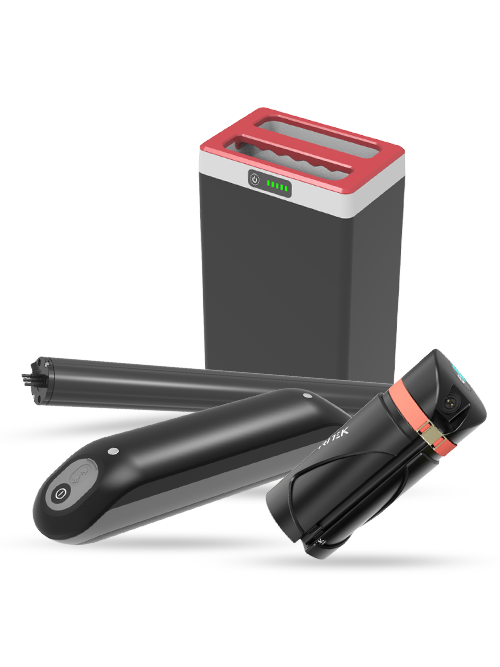
Choosing the right 72V electric motorcycle battery is crucial for maximizing performance, range, safety, and reliability. A well-matched battery ensures your electric motorcycle delivers reliable performance under load, maintains thermal stability, and meets regulatory safety standards, especially for commercial and fleet applications.
Selecting the best 72V electric motorcycle battery involves evaluating cell chemistry and quality, capacity (Wh), continuous and peak discharge rates, battery management system (BMS) features, physical design and installation, and internationally recognized safety certifications such as UN R136 for road-legal use. These criteria directly impact range, durability, and long-term operational cost.
Before diving into specific products, let’s break down what really matters when choosing a 72V battery for electric motorcycles.
Key Factors in Choosing a 72V Lithium Battery
Battery Chemistry & Cell Quality
Battery chemistry determines energy density, safety, cycle life, and cost. Common chemistries include:
- LFP (Lithium Iron Phosphate): Lower energy density vs NMC but significantly higher safety and longer cycle life, ideal for high-duty applications.
- NMC (Nickel Manganese Cobalt): Higher energy density but more strict thermal management needed.
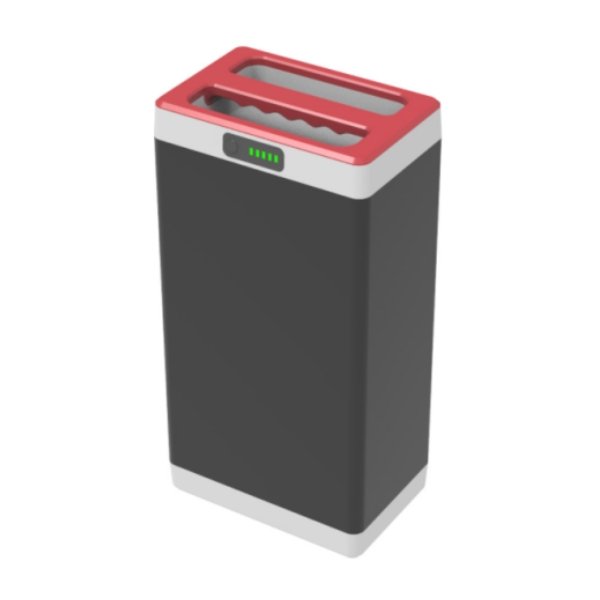
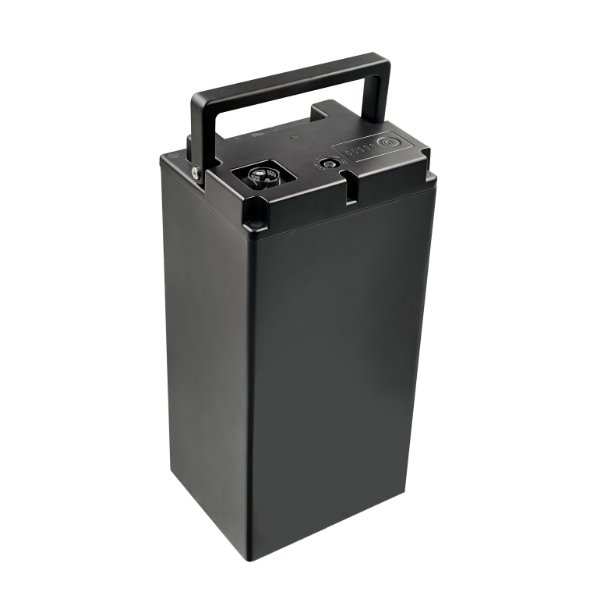

Tier-1 cells from reputable manufacturers ensure tighter capacity tolerance, better consistency over cycles, and lower risk of early degradation. In B2B applications where uptime and warranty cost matter, prioritizing higher-quality cells reduces operational risk.
Voltage & Capacity (Ah / Wh)
A 72V nominal system typically corresponds to a 20S lithium configuration. Two key metrics:
- Amp-hours (Ah): How much charge the battery holds.
- Watt-hours (Wh): A more practical measure of usable energy (Wh = V × Ah).
For example, a 72V 50 Ah battery equates to 3,600 Wh (3.6 kWh) of stored energy. Higher Wh generally means longer range, but also increases weight and packaging complexity.
Match capacity to your use case:
- Urban commuting: moderate capacity with balanced weight.
- High-speed or long-distance touring: higher Wh for range and power reserves.
Continuous & Peak Discharge Ratings
Electric motorcycles demand two discharge metrics:
- Continuous Discharge (A): The current the battery can sustain indefinitely — impacts climbing and cruising.
- Peak Discharge (A): Short bursts for acceleration.
A battery with low continuous discharge may struggle under load, causing voltage sag and reduced torque. Always choose a battery whose discharge specs exceed your motor controller’s requirements to maintain performance durability.
Battery Management System (BMS)
The BMS is the electronic brain of the battery pack. Core functions include:
- Cell balancing
- Over-charge / over-discharge protection
- Over-current and short-circuit protection
- Thermal management and fault logging
Advanced BMS dashboards can integrate CAN, UART, Bluetooth for remote diagnostics, critical for fleet operations and service optimization.
Safety Certifications & Standards
When selecting a 72V electric motorcycle battery, it is essential to distinguish between battery-level safety standards and vehicle-level regulatory requirements.
- Battery-level standards such as IEC 62133, UL 2271, EN 50604, and UN 38.3 focus on the intrinsic safety of lithium cells and battery packs, covering electrical abuse, thermal behavior, mechanical stress, and transport safety.
- UN R136 is a vehicle-level regulation for L-category electric vehicles. It defines safety requirements for the rechargeable energy storage system (RESS) when integrated into the vehicle, supporting road homologation and type approval.
In practice, batteries tested to recognized IEC / UL / EN / UN transport standards, and designed in line with UN R136 integration requirements, help OEMs reduce certification risk, streamline vehicle approval, and improve overall system safety.
Physical Dimensions & Installation
Physical design impacts integration:
- Form factor: Vertical, horizontal, modular.
- Mounting: Ease of service and replacement.
- Weight distribution: Affects handling and center-of-gravity.
Confirm your chassis space and connector compatibility before selecting a battery model.
Common Battery Problems & How to Avoid Them
Problem | Cause | Mitigation |
|---|---|---|
Rapid capacity fade | Poor cell quality, high temp | Use LFP cells, robust BMS |
Voltage sag | Inadequate discharge rate | Ensure continuous discharge exceeds load |
Thermal runaway | Insufficient cooling | Design with thermal pathways, heat sensors |
Early failure | Poor manufacturing | Choose certified manufacturers |
Technical Comparison Checklist Before Purchase
Before purchase, verify the following key specifications:
- Cell chemistry and brand
- Nominal voltage and usable Wh
- Continuous and peak discharge ratings
- BMS protection levels and communications
- Safety certifications (UN R136, IEC, UL)
- Physical size, weight, and connector specs
- Warranty terms and service support
Spotlight: TP6110 – A 72V Electric Motorcycle Battery Designed for Performance & Safety
When evaluating candidates, one battery that stands out for both technical performance and certification pedigree is the UN R136-certified TP6110 72V electric motorcycle battery from Tritek, developed with customized configurations to support different vehicle platforms.
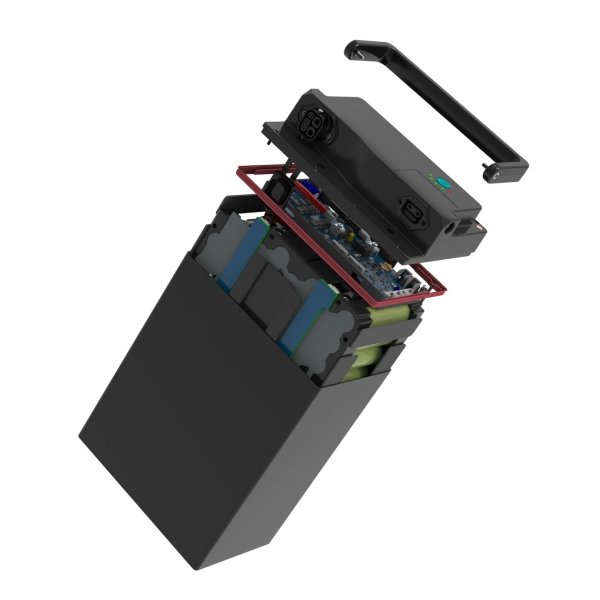
Technical Highlights of TP6110
- 72V nominal system optimized for mid- to high-power electric motorcycle platforms
- Tier-1 lithium cells with tight tolerances for longer cycle life
- Robust aluminum enclosure for mechanical resilience and thermal dissipation
- Integrated BMS with multi-layer protections and communications interfaces
- Designed for installation flexibility and maintenance efficiency
Conclusion
For OEM and fleet customers, choosing the right 72V electric motorcycle battery is a technical decision that affects performance, warranty costs, and safety compliance. By focusing on cell quality, capacity, discharge ratings, BMS sophistication, and recognized safety standards, especially UN R136 certification, you ensure optimal performance and long-term reliability.
The TP6110 battery represents a well-engineered solution that balances these factors for OEMs, fleets, and high-performance electric motorcycle applications.