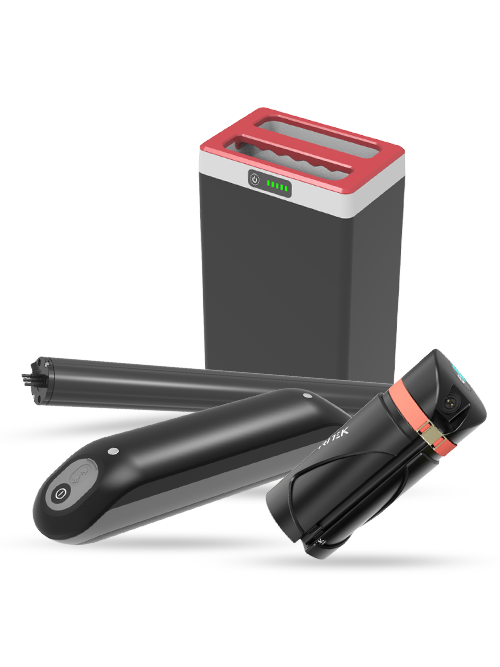
Choosing the best lithium battery pack manufacturer is one of the most important decisions for companies developing electric vehicles, energy storage systems, robotics, or industrial equipment. The battery pack is often the most expensive and safety-critical component in these products, directly affecting performance, lifespan, and reliability.
In short: the best lithium battery pack manufacturer should combine strong R&D capability, strict quality certifications, scalable manufacturing capacity, and the ability to deliver customized battery solutions for specific applications.
However, with hundreds of suppliers in the global battery market, many companies struggle to identify which manufacturers truly possess the engineering expertise and production stability required for long-term cooperation. This guide provides a comprehensive framework to help businesses evaluate lithium battery manufacturers and choose the right partner.
Why Choosing the Right Lithium Battery Manufacturer Matters
Because lithium batteries store high energy density, improper design or manufacturing can lead to overheating, performance degradation, or safety risks. Selecting a qualified manufacturer significantly reduces these risks while improving product competitiveness.
Key Factors to Consider When Choosing a Lithium Battery Pack Manufacturer
Step 1: Define Your Battery Requirements
Before searching for a supplier, businesses must clearly define their technical and operational requirements. Important parameters include:
Electrical Specifications
- Voltage and capacity
- Maximum discharge current
- Continuous vs peak power demand
- Cycle life requirements
Physical Constraints
- Battery size and weight
- Installation orientation
- Structural integration with the device
Environmental Conditions
- Operating temperature range
- Vibration or shock resistance
- Waterproof or dustproof requirements
Business Requirements
- Order quantity
- Cost targets
- Development timeline
Step 2: Evaluate the Manufacturer’s Engineering and R&D Capability
Lithium battery packs are complex systems integrating electrochemistry, electronics, mechanical design, and thermal management. Strong R&D capability is therefore essential.
A qualified battery manufacturer should have expertise in:
- Battery pack structural design
- Battery Management System (BMS) development
- Thermal management engineering
- Cell selection and matching
- Electrical protection architecture
Manufacturers with strong R&D teams can better optimize battery performance, extend cycle life, and improve safety through advanced design and testing.
Indicators of strong engineering capability include:
- Dedicated battery R&D teams
- Patent portfolios or proprietary technologies
- Simulation and testing laboratories
- Experience across multiple industries
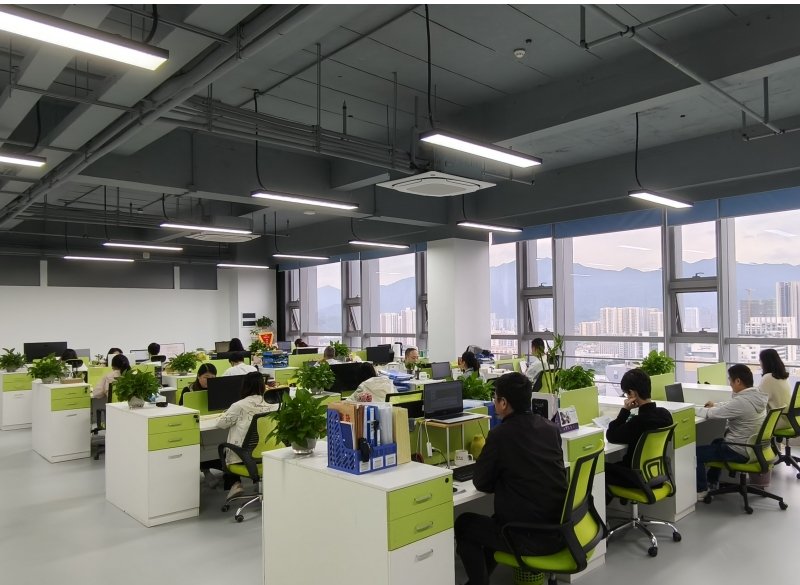
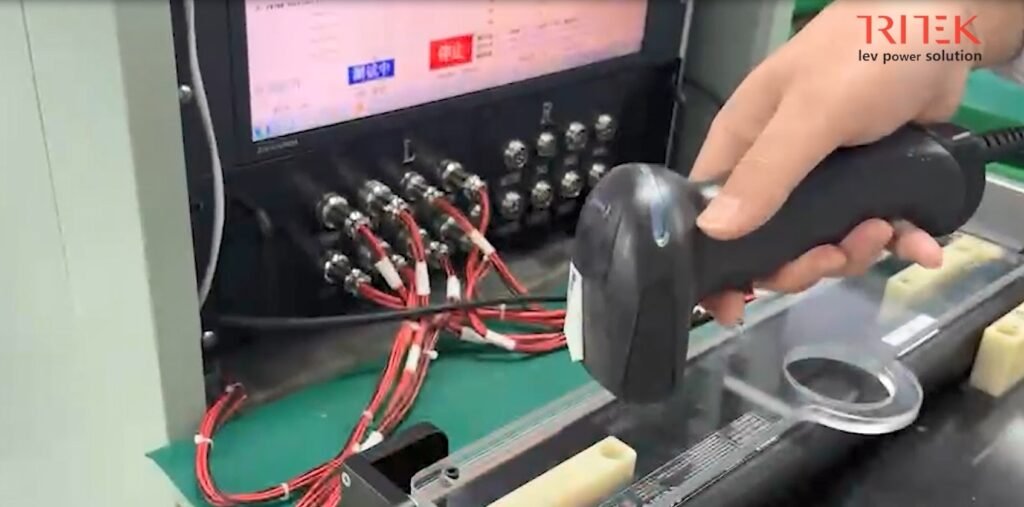
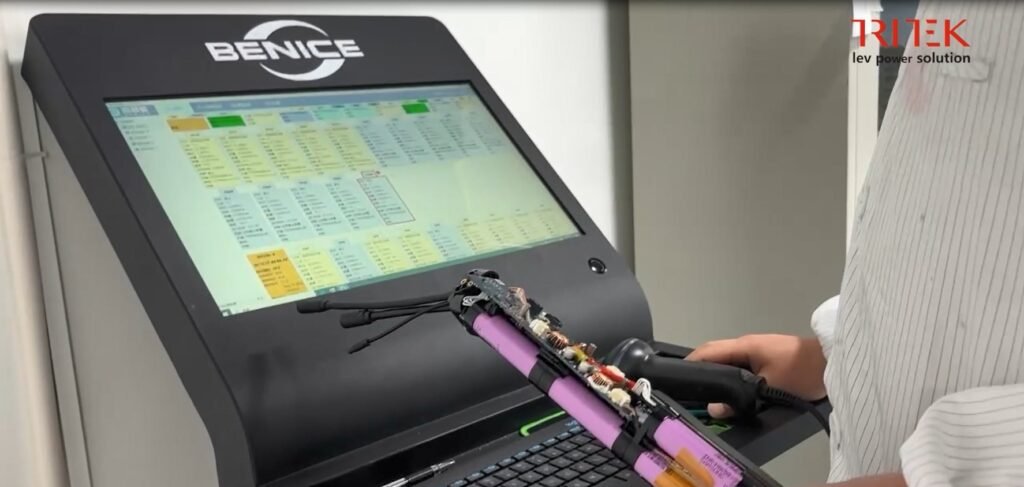
For OEM customers, engineering support during product development is often just as important as the battery itself.
Step 3: Assess Manufacturing Capability and Production Capacity
Production capability determines whether a manufacturer can meet current and future demand. Key areas to evaluate include:
Production Capacity
Check whether the manufacturer can handle:
- Prototype samples
- Pilot production
- Large-scale mass manufacturing
Scalable suppliers ensure long-term supply stability as your product grows.
Manufacturing Equipment
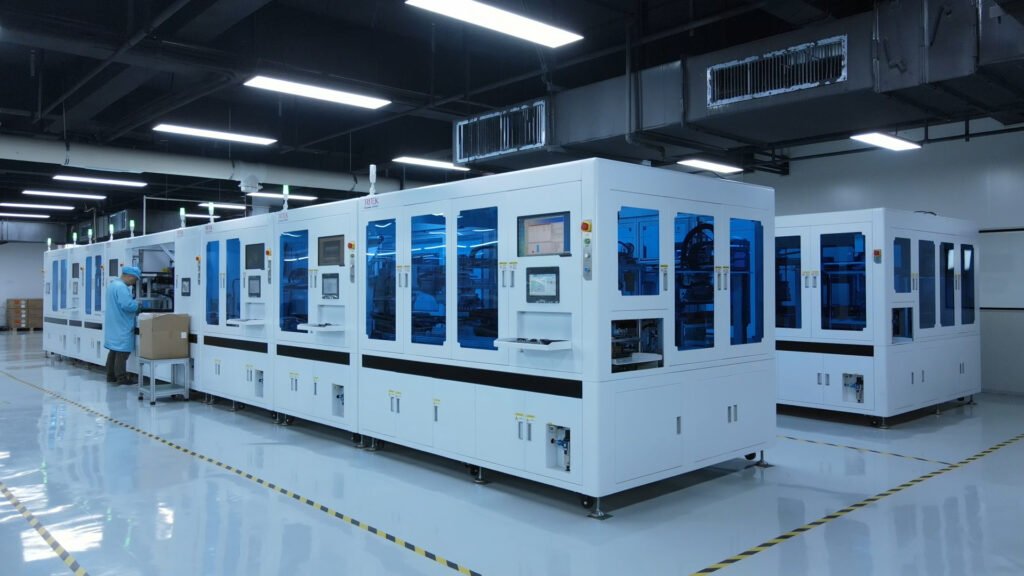
Modern battery factories typically use:
- Automated assembly lines
- Laser welding equipment
- Robotic cell placement
- Real-time quality monitoring
High automation improves consistency and reduces defect rates.


Vertical Integration
Some manufacturers produce:
- Battery packs
- BMS systems
- Charging solutions
Vertical integration improves product compatibility and simplifies system integration.
Step 4: Verify Certifications and Compliance
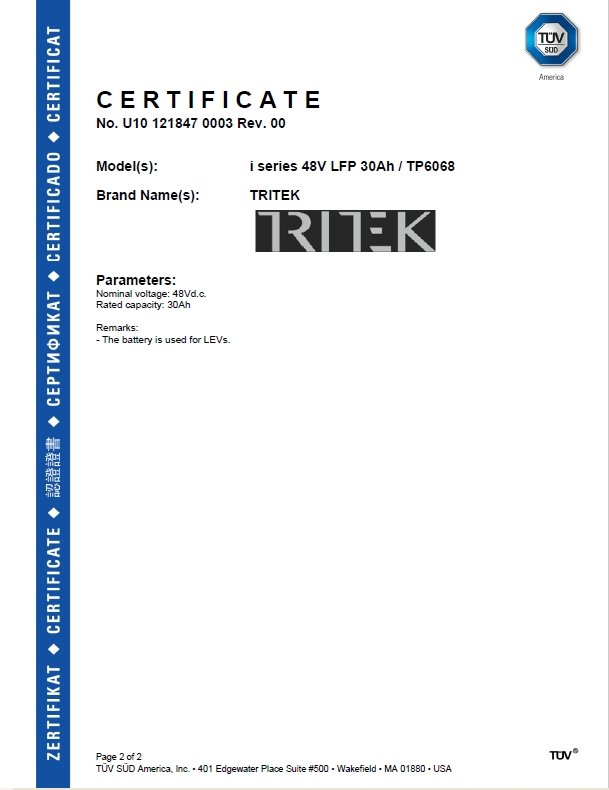
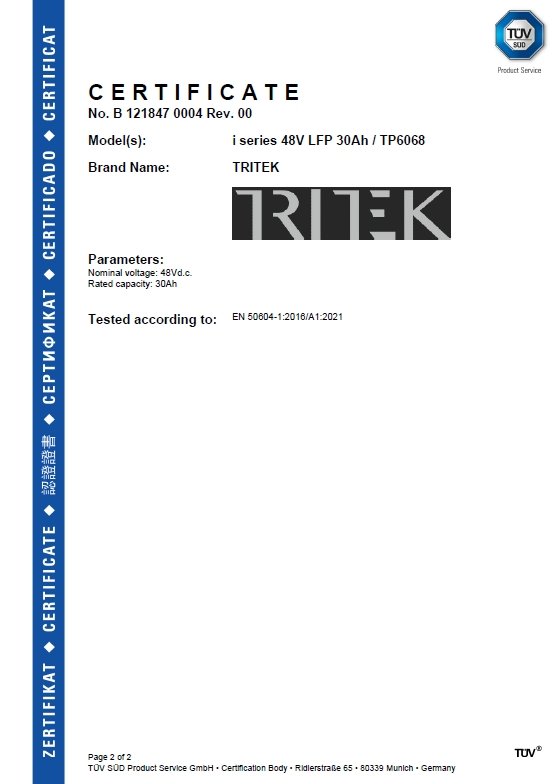
Battery safety certifications are critical for global market access. Reliable lithium battery manufacturers typically hold certifications such as:
Certification | Purpose |
|---|---|
ISO 9001 | Quality management system |
ISO 14001 | Environmental management |
Electrical safety certification | |
Safe transportation of lithium batteries | |
Safety for portable batteries | |
Safety for LEV batteries | |
European compliance |
For automotive or high-reliability industries, additional certifications such as IATF 16949 may also be required.

Step 5: Evaluate Battery Technology and Cell Chemistry
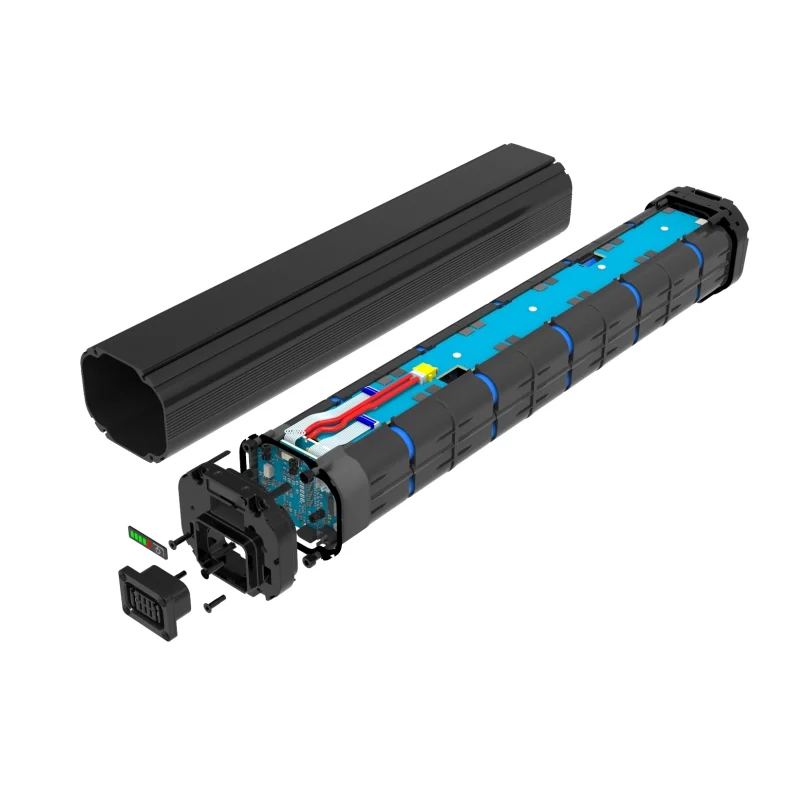
Different applications require different lithium battery chemistries. Common chemistries include:
Chemistry | Advantages | Typical Applications |
|---|---|---|
LFP (LiFePO4) | High safety, long cycle life | Energy storage, e-mobility |
NMC | High energy density | EVs and consumer electronics |
LCO | High capacity | Portable electronics |
LMO | High power output | Power tools |
Manufacturers should be able to recommend the optimal chemistry based on:
- Energy density requirements
- Safety requirements
- Cost targets
- Cycle life expectations
The ability to supply multiple chemistries indicates deeper technical capability.

Step 6: Examine Quality Control and Testing Processes
Battery quality depends heavily on strict manufacturing control. Professional manufacturers usually implement multiple testing stages:
Incoming Material Inspection
Verification of:
- Battery cells
- PCB components
- Structural materials
Production Testing
Testing during assembly such as:
- Voltage verification
- Internal resistance measurement
- Cell balancing
Final Battery Pack Testing
Completed packs are often tested for:
- Charge and discharge performance
- Temperature behavior
- Cycle life
- Vibration resistance
These procedures ensure consistent battery performance across large production batches.
Step 7: Review Industry Experience and Customer Portfolio
A manufacturer’s track record can provide strong evidence of reliability. Important indicators include:
- Years of experience in lithium battery manufacturing
- Major customers
- Experience in similar applications
- Failure rates or warranty data
Suppliers serving demanding industries such as robotics, medical equipment, or electric vehicles typically maintain higher quality standards.
Step 8: Assess Supply Chain Stability
Lithium battery manufacturing depends heavily on raw materials and electronic components.
A stable manufacturer should have strong partnerships with:
- Tier-1 battery cell suppliers
- Electronic component suppliers
- Structural component manufacturers
Reliable supply chains reduce risks related to:
- Material shortages
- Production delays
- Cost fluctuations
Step 9: Evaluate Technical Support and After-Sales Service
Battery development rarely ends with delivery. Professional manufacturers typically provide:
- Technical documentation
- Integration support
- Firmware updates
- Failure analysis
- Warranty services
Step 10: Compare Pricing and Long-Term Partnership Value
Battery pricing varies depending on several factors:
- Cell chemistry
- Order volume
- Customization level
- Manufacturing location
- Warranty period
However, the cheapest supplier is rarely the best choice. Companies should evaluate total cost of ownership, including:
- Battery lifespan
- Maintenance costs
- Reliability
- Engineering support
In many cases, higher-quality batteries reduce long-term operational costs.
Red Flags When Evaluating Lithium-ion Battery Manufacturers
When evaluating potential suppliers, watch for these warning signs:
- Lack of international certifications
- Limited engineering support
- No clear quality control system
- Unstable supply chain
- Inconsistent technical documentation
Key Questions to Ask a Lithium Battery Manufacturer
Before selecting a supplier, ask the following questions:
- What battery cell brands do you use?
- Do you design your own BMS systems?
- What safety certifications do your battery packs have?
- What is your daily or monthly production capacity?
- Can you provide customized battery solutions?
- What testing procedures do you perform before shipment?
- What support is available after delivery?
Conclusion
Choosing the best lithium battery pack manufacturer requires careful evaluation of engineering expertise, manufacturing capability, safety certifications, supply chain stability, and long-term technical support.
The most reliable suppliers are those that combine strong R&D, advanced BMS technology, strict quality systems, and scalable production capacity, ensuring your product remains safe, competitive, and reliable in the market.
Looking for a reliable lithium battery partner? Tritek provides fully customized battery pack solutions, from advanced BMS to scalable manufacturing, designed to meet the demands of e-mobility, robotics, and energy storage applications. Reach out to explore how we can support your next project.