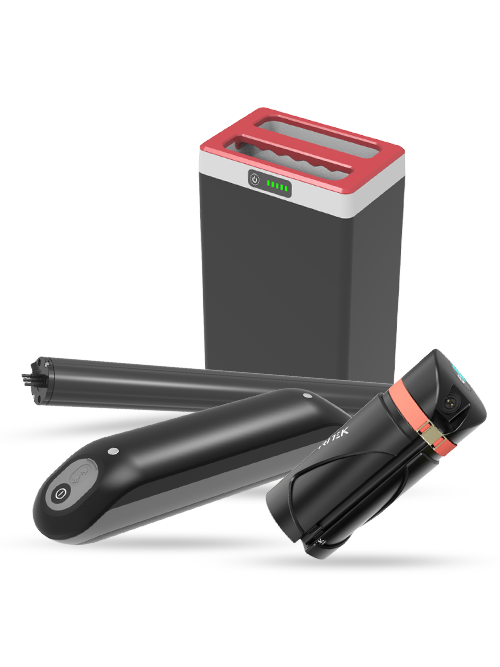
Choosing between an electric motorcycle battery vs e-bike battery is not simply a matter of size or capacity, it directly determines power performance, system architecture, safety level, and overall cost efficiency.
Key Differences Between Electric Motorcycles and E-Bikes
Power and Speed Requirements
E-bikes typically operate within 250W to 750W, compliance with strict pedal-assist regulations. In contrast, electric motorcycles demand 3kW to 20kW or more, supporting high-speed travel and rapid acceleration.
This difference directly impacts battery design:
- E-bike batteries prioritize energy efficiency
- Motorcycle batteries must deliver high power output and peak current
Usage Scenarios
- E-bikes: Urban commuting, short-distance travel, leisure riding
- Electric motorcycles: High-speed transport, logistics delivery, long-distance commuting
Higher load intensity in motorcycles leads to stricter requirements on battery robustness and durability.
Battery Voltage and System Architecture
Typical Voltage Ranges
- E-bikes: 36V / 48V / 52V
- Electric motorcycles: 72V / 96V / 120V+
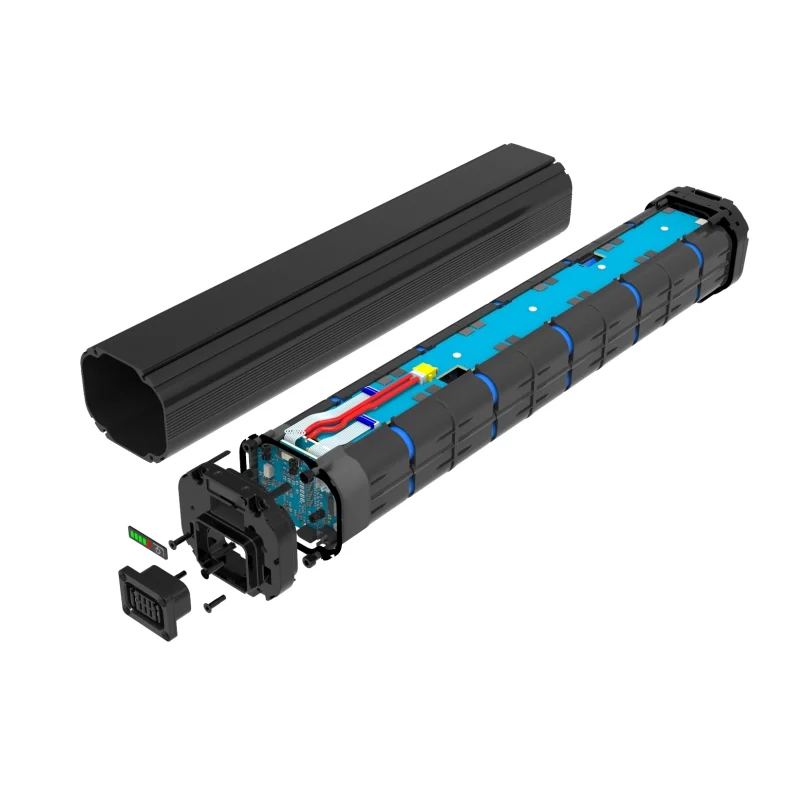
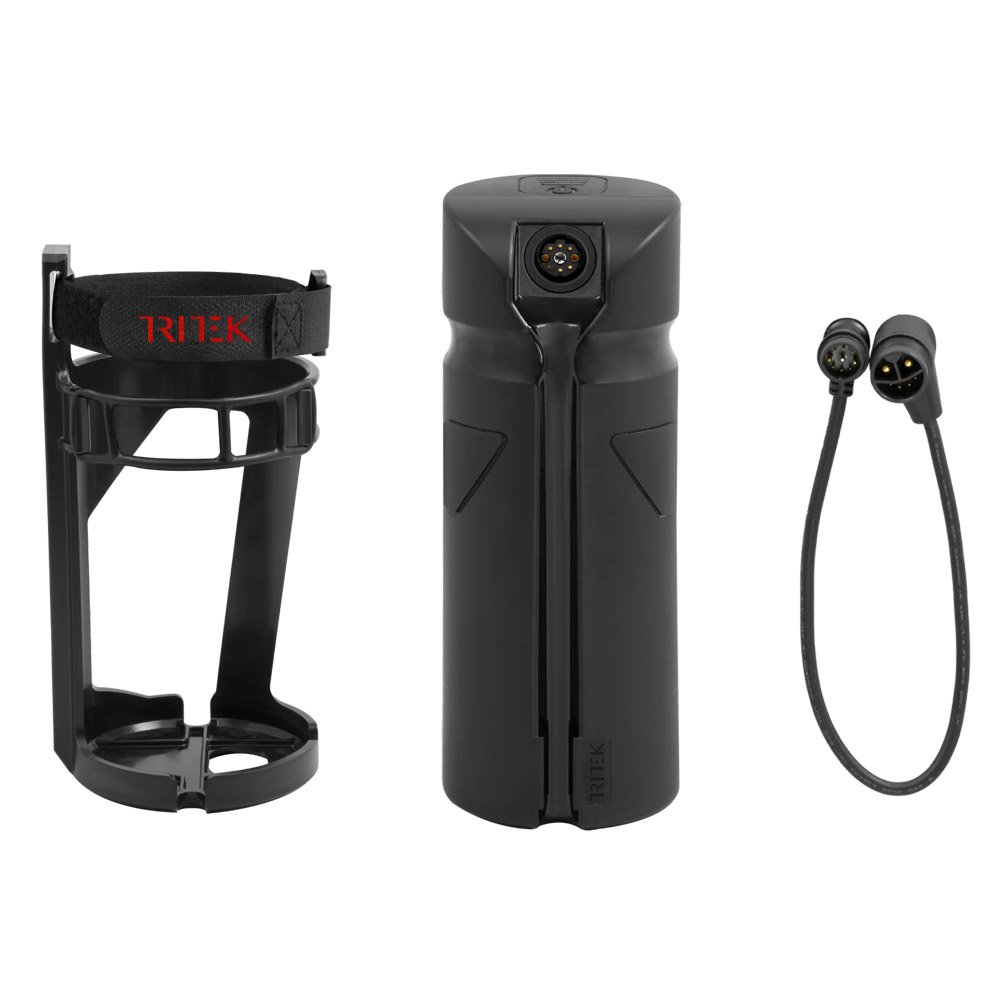
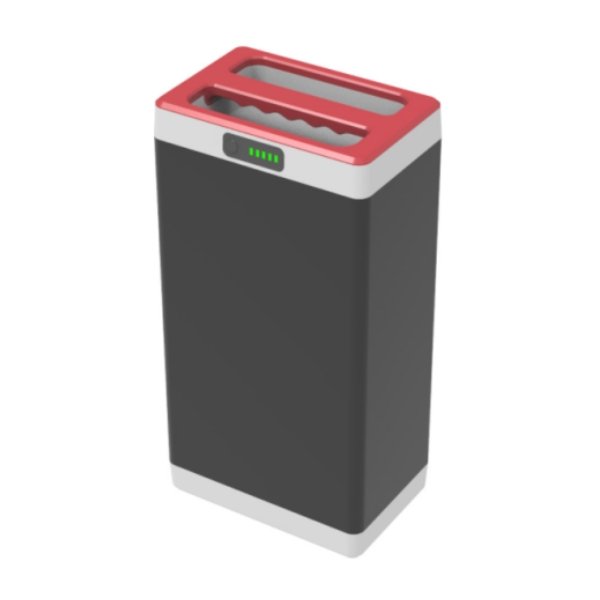

Series Configuration
Electric motorcycles require more cells in series (higher “S count”), which introduces:
- Greater insulation requirements
- More complex BMS design
- Higher safety standards
Power Output and Discharge Capability
Continuous vs Peak Discharge
E-bike batteries operate at relatively stable discharge levels. Electric motorcycles, however, require:
- High peak discharge during acceleration
- Strong continuous output for sustained high speeds
Thermal Impact
Higher discharge rates generate more heat. Without proper thermal design:
- Performance drops
- Cell degradation accelerates
- Safety risks increase
Battery Capacity and Energy Density
Range Expectations
- E-bikes: 30–120 km
- Electric motorcycles: 80–200+ km
Motorcycles require significantly larger battery capacity to meet user expectations.
Weight Constraints
- E-bikes demand lighter batteries for better handling
- Motorcycles allow higher weight, but must balance:
- Structural integration
- Vehicle stability
- Structural integration
- Vehicle stability
Battery Chemistry Selection (LFP vs NMC)
For E-Bikes
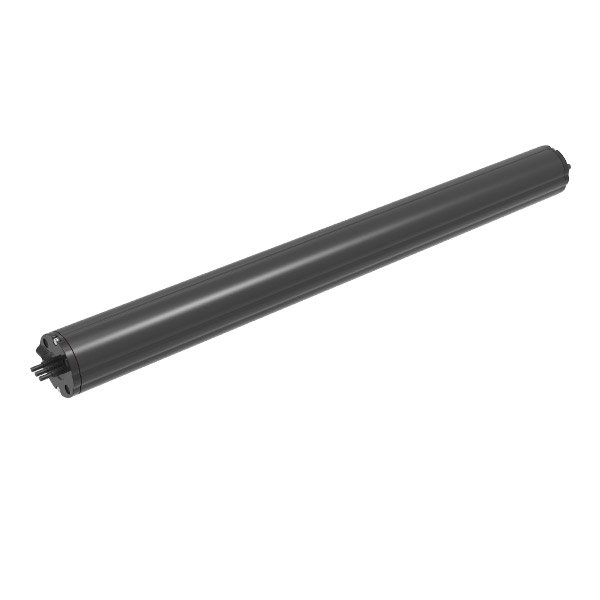
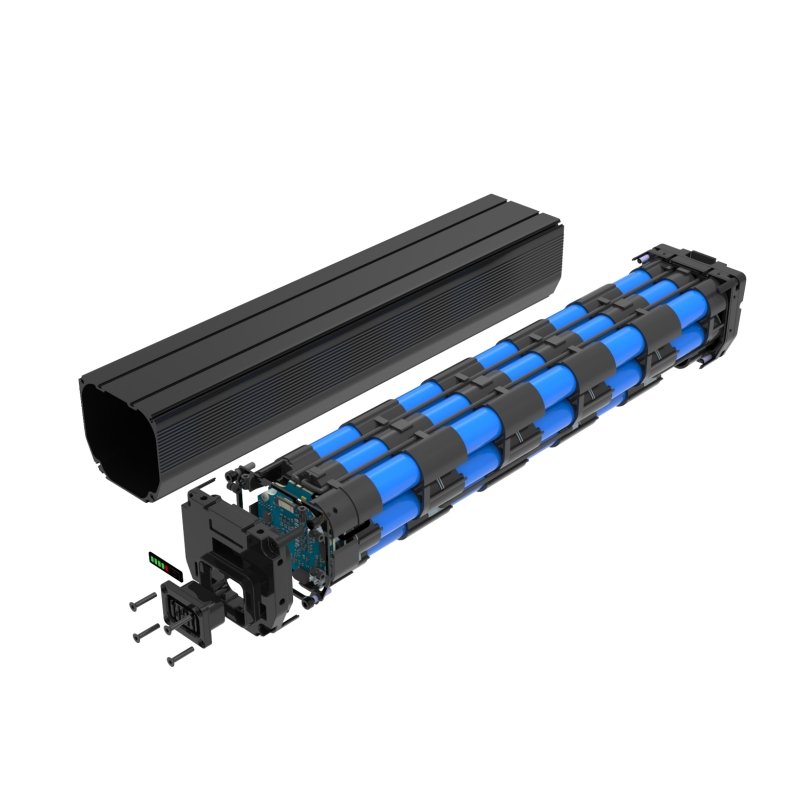
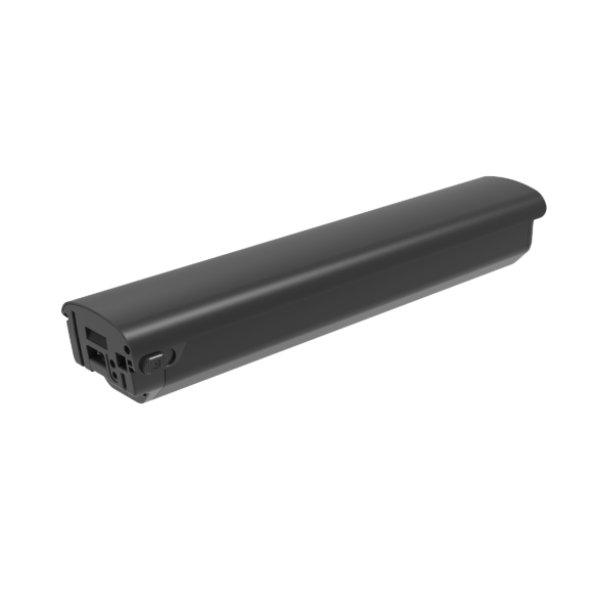
- Commonly use NMC (Nickel Manganese Cobalt)
- Advantages:
- Higher energy density
- Lighter weight
- Higher energy density
- Lighter weight
For Electric Motorcycles
NMC: High performance applications
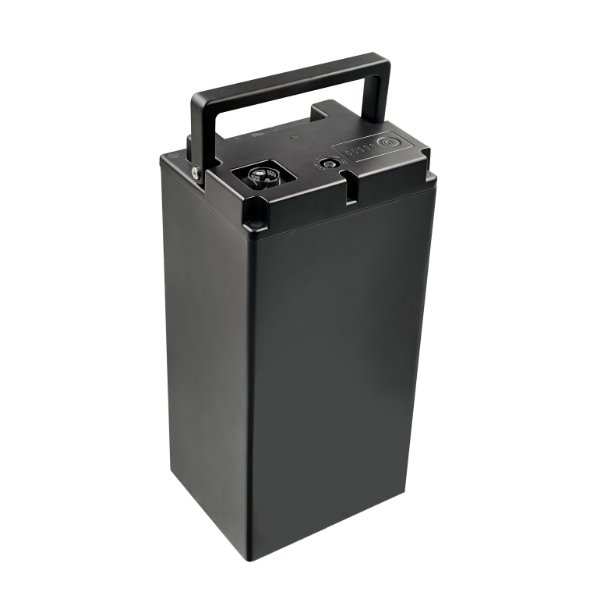
LFP (Lithium Iron Phosphate):
- Longer lifespan
- Higher safety
- Better suited for fleets
- Longer lifespan
- Higher safety
- Better suited for fleets
Trade-Off Summary
- NMC = higher energy density
- LFP = safer and more durable
Mechanical Design and Integration
Electric Bike Batteries
- Downtube or rear rack installation
- Focus on removability and portability
Electric Motorcycle Batteries
- Integrated into chassis
- Designed for:
- Shock resistance
- Vibration durability
- IP67 protection
- Shock resistance
- Vibration durability
- IP67 protection
Charging and Infrastructure
E-Bike Charging
- Home charging
- Low-power chargers
Electric Motorcycle Charging
- Fast charging capability
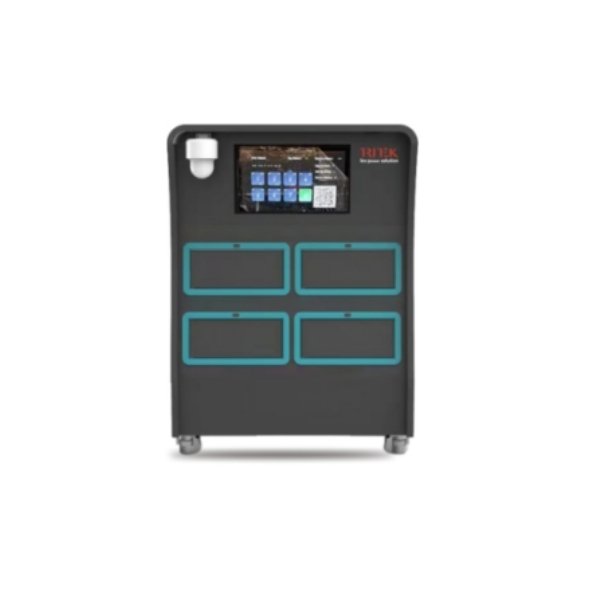
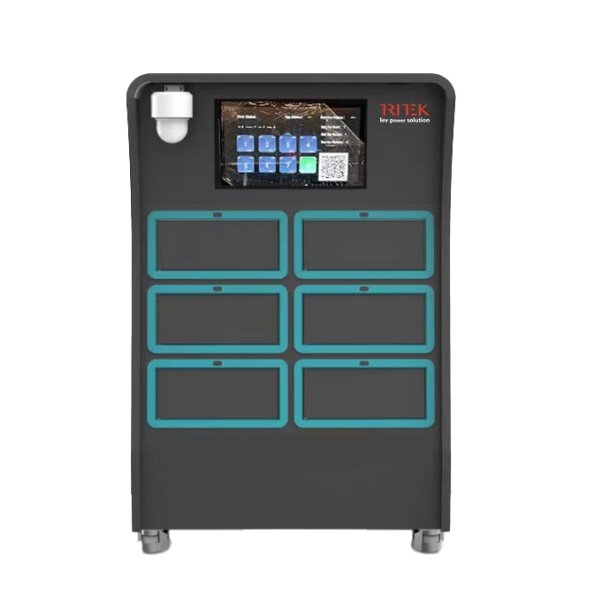
- Battery swapping systems (critical for fleets)
Battery swapping significantly reduces downtime in commercial applications.

How to Choose the Right Battery for Your Application
When selecting a battery solution, consider:
- Application scenario (commuting vs high-performance)
- Voltage and power requirements
- Safety certifications
- Thermal management capability
- Scalability (single vs multi-battery systems)
- Smart features (CAN, Bluetooth, 4G, OTA)
Future Trends in Electric Two-Wheeler Batteries
- Smart connected batteries with real-time monitoring
- Battery swapping ecosystems
- Modular and parallel battery systems
For manufacturers and fleet operators seeking optimized solutions, working with a supplier that offers integrated BMS, battery pack, charger, and battery swapping systems can significantly improve development efficiency and product reliability. Advanced features such as multi-battery parallel systems, smart communication (CAN, 4G, Bluetooth), and OTA updates are becoming key differentiators in competitive markets.